
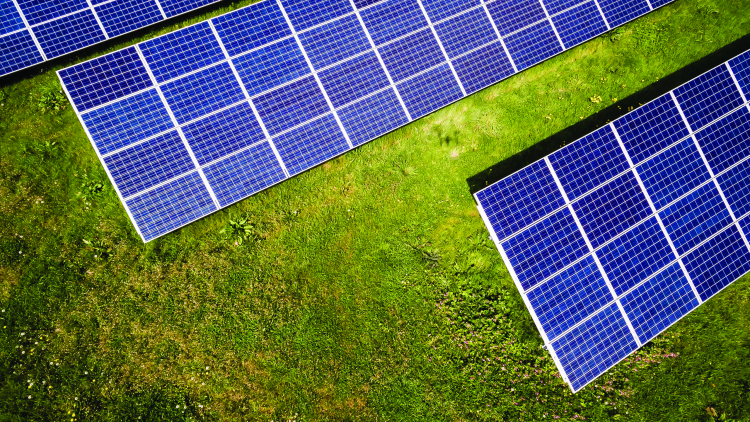
For many people, clean energy still feels like something just over the horizon: promising, but not always practical or affordable in everyday life. In reality, that’s already changing. Across Massachusetts, innovation is making clean energy technologies more efficient, more flexible, and increasingly accessible to households and businesses. From smarter ways to manage energy use at home to advances in solar, storage, and heating systems, these technologies are helping people lower costs, improve comfort, and rely less on volatile fossil fuel markets.
What makes this shift possible is not a single breakthrough, but a steady pipeline of innovation that improves how energy is produced, delivered, and used. Technologies that once required significant upfront investment or technical expertise are becoming easier to install, simpler to manage, and more cost-effective over time. As a result, clean energy is moving from a niche option to a practical, everyday solution, one that supports both affordability and long-term reliability across the state.
The economic development work of Mass Clean Energy Center and our partners play a central role in advancing clean energy innovation in Massachusetts. We invest in early-stage technologies, support pilot and demonstration projects, and connect climatetech startups with industry partners, customers, and capital. Our programs help move new solutions from concept to commercialization, whether that’s improving building efficiency, advancing energy storage, or scaling next-generation heating systems. By investing in workforce development and supporting a strong ecosystem of researchers, entrepreneurs, and businesses, we help ensure that innovation translates into real-world solutions that are practical, scalable, and increasingly affordable for Massachusetts residents.
Making Clean Energy More Efficient
One of the most direct ways innovation makes energy more affordable is by reducing how much we need in the first place. Energy efficiency may not always get the same attention as solar panels or electric vehicles, but it’s often the fastest and most cost-effective way to lower bills.
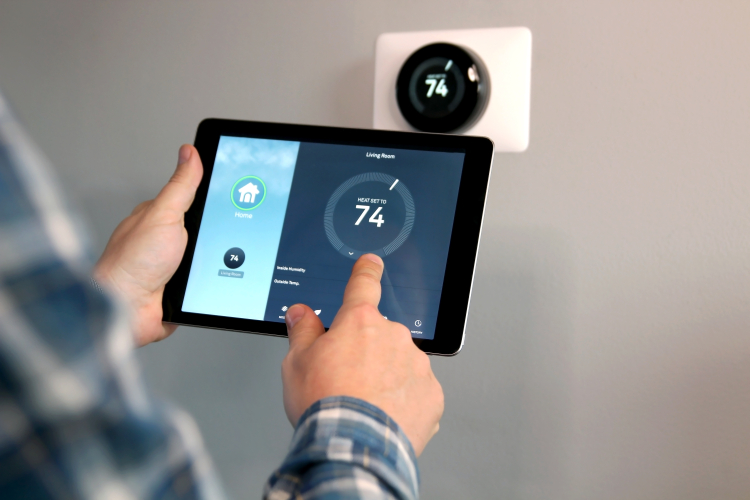
Today’s homes and buildings are benefiting from smarter, more responsive technologies. Smart thermostats and energy management systems can automatically adjust heating and cooling based on occupancy and habits, cutting down on wasted energy without sacrificing comfort. High-efficiency appliances and upgraded HVAC systems use less power to deliver the same, or better, performance. Meanwhile, improvements in insulation and building materials help keep heat in during the winter and out during the summer, reducing the need for constant temperature adjustments.
For residents, the impact is straightforward: lower monthly energy bills, more consistent indoor comfort, and less guesswork in managing energy use. At a larger scale, improved efficiency also reduces strain on the electric grid, especially during peak demand periods when energy is most expensive.
Making Clean Energy More Flexible
Beyond using less energy, innovation is also changing when and how energy is used. Flexibility is becoming an important part of keeping energy affordable, particularly as more renewable sources like solar and wind come online.
Battery storage systems, whether installed in homes or at grid scale, allow energy to be stored when it’s abundant and used later when demand and prices are higher. This helps households avoid peak electricity rates and provides backup power during outages. At the grid level, it reduces the need to rely on expensive, short-term power generation.
Smart grid technologies and demand response programs are another piece of the puzzle. These systems can shift energy use to times when electricity is cheaper or more readily available. For example, certain appliances or heating systems can run during off-peak hours with little to no impact on daily routines.
Electric vehicles are also starting to play a role beyond transportation. With vehicle-to-grid capabilities on the horizon, EVs could eventually store energy and send it back to the grid when needed, acting as mobile energy resources.
Together, these innovations make the energy system more responsive and resilient, helping stabilize costs while improving reliability.
Lowering the Cost of Clean Energy Technology
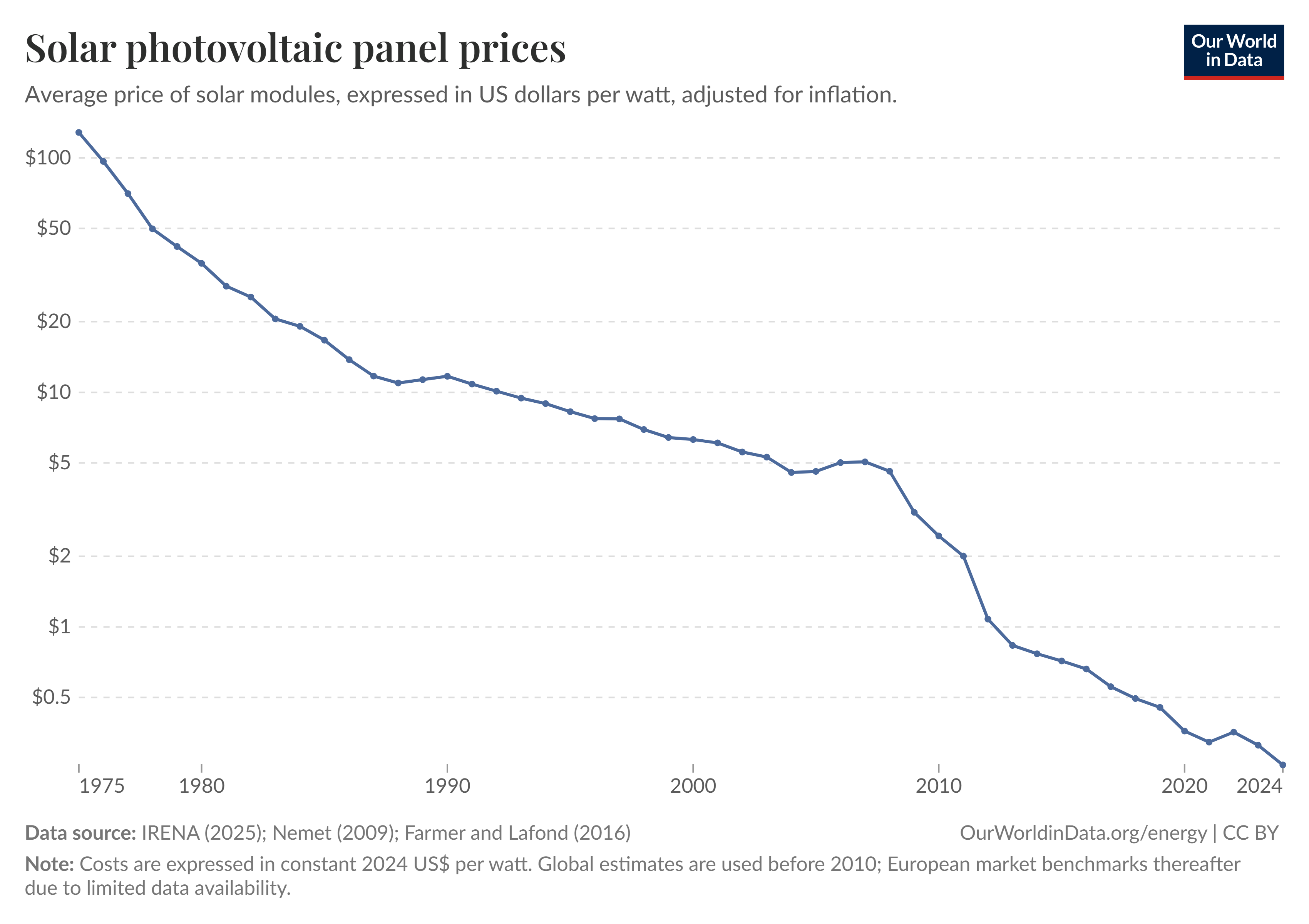
A major reason clean energy is becoming more practical is that it’s getting more affordable. Over the past decade, the cost of technologies like solar panels has dropped significantly, making them a viable option for more households and businesses.
At the same time, technology is improving performance. Heat pumps, for example, are designed to work efficiently even in cold climates like Massachusetts, providing both heating and cooling in a single system. This reduces the need for multiple energy systems and can lower overall costs over time.
Behind the scenes, advances in manufacturing and installation are also helping. Streamlined production processes, better supply chains, and more experienced installers all contribute to lower upfront costs and shorter installation timelines.
Connecting Technology to Real-World Use
Innovation isn’t just about creating new technology; it’s about making sure people can actually use it. That’s where deployment and accessibility come in.
Community solar is a good example. Not everyone can install solar panels, whether due to renting, roof limitations, or upfront costs. Community solar projects allow residents to subscribe to shared solar installations and receive credits on their electricity bills, expanding access to clean energy without requiring homeownership.
Integrated home energy systems are also becoming more common. These combine solar panels, battery storage, and efficient heating systems into a coordinated setup that can be managed through a single platform. Instead of juggling multiple technologies, homeowners can monitor and control their energy use in one place.
Digital tools are further simplifying the experience. Online platforms and apps can help residents track usage, understand costs, and make informed decisions about upgrades or behavioral changes.
By focusing on usability and access, these innovations ensure that clean energy isn’t limited to early adopters. Instead, it becomes a realistic option for a much broader range of households.
Why Innovation Helps with Affordability
Across all these areas, the theme that emerges is that innovation is closely tied to cost control. It reduces how much energy we use, allows us to use it more strategically, and lowers the cost of the technologies themselves.
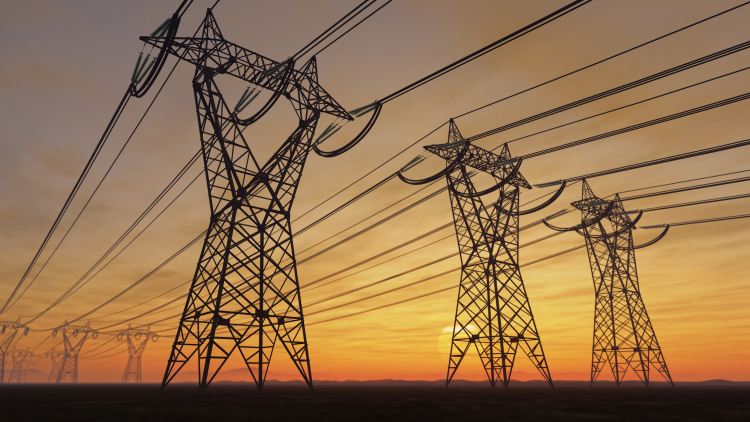
These changes also have system-wide benefits. When demand is lower and more evenly distributed, the grid operates more efficiently. That can help avoid costly infrastructure upgrades and reduce overall energy system expenses, which leads to savings that ultimately benefit consumers.
At the same time, relying more on local, renewable energy sources reduces exposure to global fossil fuel price swings. That stability can make energy costs more predictable over the long term, which is especially important for household budgeting.
Clean Energy That Works for Everyday Life
Clean energy is no longer a distant goal or a niche option; it’s now becoming a practical part of everyday life in Massachusetts. What’s driving that shift isn't any single technology, but innovative solutions that make energy systems easier to use, more flexible, and affordable over time.
For residents, this means more choices and greater control. Whether it’s upgrading insulation, installing a heat pump, subscribing to community solar, or simply using a smarter thermostat, there are now more ways to manage energy use without major disruption. These solutions don't just protect the environment; they help lower costs, improve comfort and health, and make households less vulnerable to rising or unpredictable energy prices.
As we continue to invest in climate innovation, the gap between “emerging technology” and “everyday solution” will keep narrowing. The result is an energy system that works better for people—one that’s not only cleaner, but also more practical, reliable, and aligned with the needs of communities in Massachusetts.
To see how MassCEC supports the companies and technologies helping drive this progress, visit our Emerging Climatetech page.