

The current round of MassCEC’s InnovateMass grant program includes a “Gridtech Spotlight” opportunity -- a chance for start-ups and innovators to partner with a Massachusetts electric utility on a grid technology (“gridtech”) demonstration. This blog outlines what gridtech is, why it’s so important in our changing electric grid, and why dedicated efforts like the Gridtech Spotlight are necessary to realize the potential of innovation on the electric grid.
The Electric Grid is Changing
The electric grid – the system that delivers energy to our homes, businesses, schools, and vehicles – is an increasingly important backbone of the economy. As our energy needs evolve, the grid must also evolve so it can power our lives both affordably and sustainably.
Massachusetts is working to transition homes, businesses, and transportation to clean electricity to achieve a healthier, more affordable and equitable future. This includes adding more solar and wind and modernizing the distribution grid to deliver reliable, economical power.
In the past, nearly all electricity was generated at large power plants and sent one way to customers. Now, more people and businesses are using solar panels, electric vehicles (EVs), battery storage, and other distributed energy resources (DERs). Because of this, energy can now flow both ways: consumers can use electricity and also provide it back to the grid.
As one example of the rapid pace of change on the electric system, solar energy has more than quintupled in Massachusetts in the last 10 years. In 2015, there were 1,001 megawatts (MW) of solar installed in Massachusetts; as of 2025 there are over 5,600 MW of solar installed in Massachusetts, with the majority connecting to the distribution grid, behind individual customers’ electric meters. As this two-way flow grows, the grid needs new technology to manage it safely and reliably.
The Future of the Grid
Through the Electric Sector Modernization Plan process, the Commonwealth is guiding innovation in the way we collaboratively plan our future grid. Tomorrow’s grid will have new features that will uphold the long-standing priorities of safety and reliability while also working towards a cleaner, more affordable, equitable, and resilient electric grid. It will be:
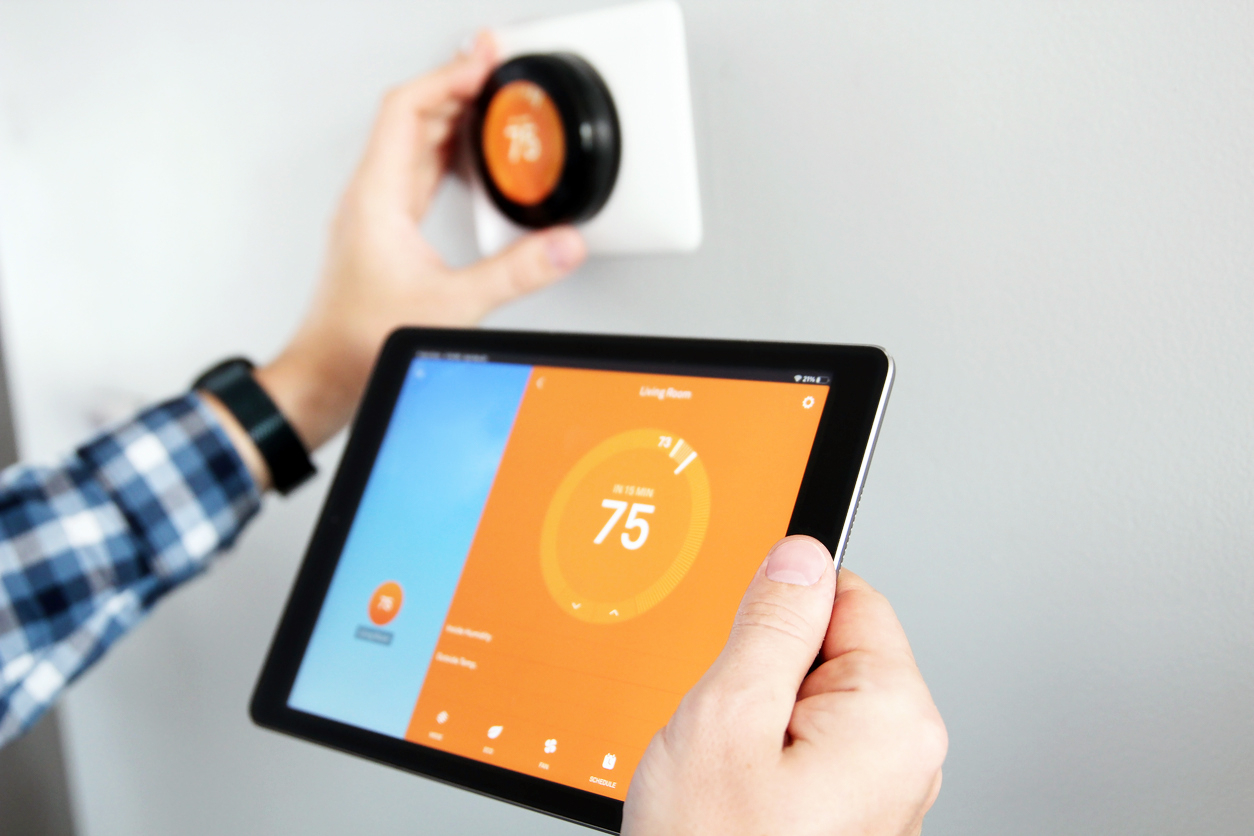
- Interactive. Using devices such as smart thermostats and EV chargers, consumers will use electricity more flexibly. They will modulate electricity usage to respond to grid signals. Time-of-use electric rates will tell devices when it costs more to use the grid and shift some usage to occur outside of those periods. Some consumers will also respond to other, less frequent demand-response calls, which will compensate them for additional reductions during particularly high or unexpected peak conditions. This new, interactive relationship will help smooth out energy use, reducing the size of the grid we need, thereby reducing energy costs.
- Data-driven. Utilities, the companies that manage the grid, will have real-time visibility of their grid systems. Around-the-clock, granular data on equipment performance, energy usage, and grid conditions will help optimize assets and minimize costs.
- Nimble. Today’s grid largely runs as an analog system, like telephones before smart phones. Tomorrow’s grid will react quickly and efficiently.
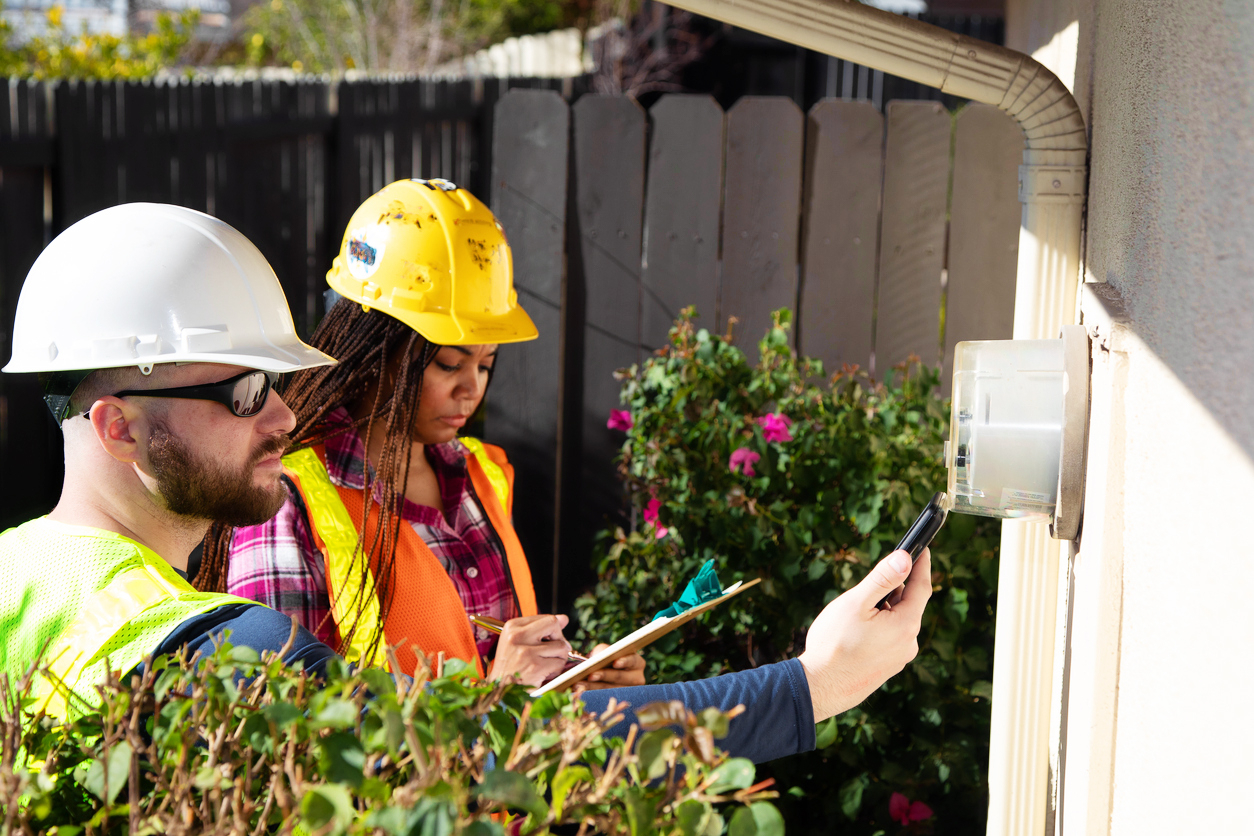
Innovation at the “grid edge,” where customers or end-users meet the grid, will be particularly valuable. Electric meters live at the grid edge – they are the gateway between the grid and the home. Today, new smart meters are being installed across Massachusetts. They will be more powerful devices than the meters we have today, which simply record how much energy buildings are consuming. These new meters will make more data available, allowing for better insight into energy use and grid conditions. They will also create a platform for future software and applications that can make energy use more flexible and responsive.
What We Mean by “Gridtech,” and Why It Matters
Gridtech refers to a broad range of new technologies that enable improvements to the electric grid in support of the clean energy transition. Gridtech ranges from technology at the meter, like smart meters and the software on them, to technologies that work within utility control rooms and on grid equipment to collect and analyze data. These innovations are essential to grid modernization and the integration of clean energy, helping to shape the grid of tomorrow – making it more interactive, data-driven, and nimble.
At MassCEC, we use the term “gridtech” as a broader alternative to other common industry terms that have emerged recently, including “grid enhancing technologies” (GETs) and “advanced transmission technologies” (ATTs). Unlike GETs and ATTs, which focus on moving bulk power over long distances, gridtech includes innovations on the distribution system as well as the transmission system. The distribution system is the part of the grid that connects directly to consumers (think the lines that run from a telephone pole to your meter). This segment of the grid is critical for enabling the future cleaner, more resilient energy system and has been left out of these other definitions focused on grid innovation.
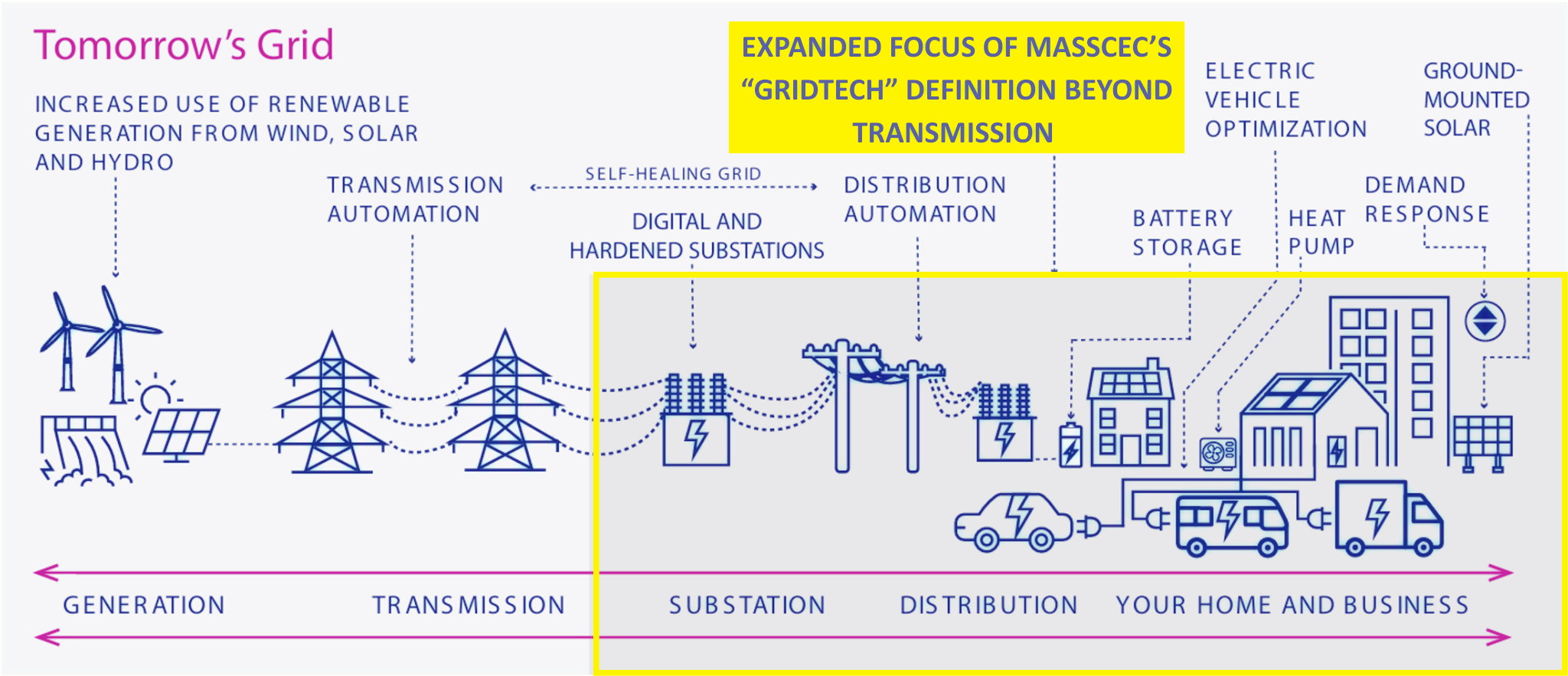
We propose a framework for “gridtech” to describe the technologies that will interact with the electric grid to enable the transition to a more modern, clean, and affordable system.
MassCEC Gridtech Framework
|
|
|
|
|---|---|---|
| Software and platforms |
Grid- and utility-facing software and platforms Help utilities plan their infrastructure and monitor equipment efficiency, including:
|
Customer-facing software and platforms Help customers save money and manage energy use by:
|
| Devices and hardware |
Grid- and utility-facing devices and hardware Improved efficiency, visibility, and control, including:
|
Customer-facing devices and hardware
|
MassCEC is Promoting Gridtech Innovation in Massachusetts
Despite the enormous potential of gridtech, innovation on the grid faces unique barriers to adoption and deployment because the electric grid is such a complicated, highly regulated space. For entrepreneurs and innovators, it can be difficult to access utilities, understand their needs, and find scalable opportunities to test solutions. On the utility side, regulatory barriers, including how utilities earn their money and how they are allowed to recover expenses, and lack of exposure to gridtech start-ups limit gridtech adoption. MassCEC has a successful track record of acting as a connector between start-ups and the utilities.
MassCEC has funded several gridtech companies across the categories shown in the table above (i.e., software and hardware solutions, grid-/utility-facing and customer-facing) in recent years, including:
- ASI (InnovateMass Gridtech Spotlight): ASI has developed an AI-based modeling platform to optimize deployment of utility-scale energy storage.
- ThinkLabs AI (InnovateMass Gridtech Spotlight): ThinkLabs AI created an AI-based “digital twin” of the electric grid to support utility interconnection and DER integration
- Noble Carbon (InnovateMass Gridtech Spotlight): Noble Carbon developed a smart circuit breaker that allows customers to monitor and control their energy, allowing customers to take energy saving action in real time.
- Cala Systems (InnovateMass, Investments 2030 Fund): Cala Systems developed the world’s first intelligent heat pump water heater that optimizes its heating for a customer’s needs, including balancing need with grid pricing and incentives.
- EQORE (InnovateMass, Investments 2030 Fund): EQORE provides cost saving opportunities for facilities with end-to-end energy storage solutions by installing their technology on-site that acts as an optimization filter between facilities and the grid.
- GridTwin (Catalyst, Distribution System Planning Lab, 2022): Gridtwin streamlines the process to interconnect to the grid via software tools designed for individuals, large developers, and utilities.
- envelio (Distribution System Planning Lab, 2022): evelio developed grid software that helps utilities accelerate and automate critical processes to modernize grid planning, interconnection, and operations through digitalization.
- StepWise (InnovateMass): Stepwise empowers people to control and profit from their energy use while supporting a cleaner, stronger grid. They help homes add electric appliances easily and affordably.
MassCEC also convened stakeholders to discuss opportunities and challenges presented by the changing grid, including the role of gridtech, at its 2025 Transition to the Future Grid Event Series.
The current InnovateMass Gridtech Spotlight includes utility partners that have already identified areas where they are seeking to pilot new technologies. Both of Massachusetts’ largest electric utilities (Eversource and National Grid) are participating partners, as are the municipal light plant organizations of Energy New England (ENE), Massachusetts Municipal Wholesale Electric Company (MMWEC), and Wakefield Municipal Gas & Light Department. Interested applicants can find descriptions of the utility partnership opportunities here. Concept papers from Gridtech Spotlight applicants are due January 12, 2026.
What’s Next?
As the MassCEC team works to accelerate gridtech innovation and potentially develop additional grid innovation programming, we want to hear from you:
- What do you think of our definition of gridtech and the technologies included in it? What are we missing?
- Do you have a grid technology that you want us to know about?
- What types of gridtech should be the highest priority for development or adoption in MA?
Send your thoughts to us at grid@masscec.com or set up a time to introduce your tech to us!