
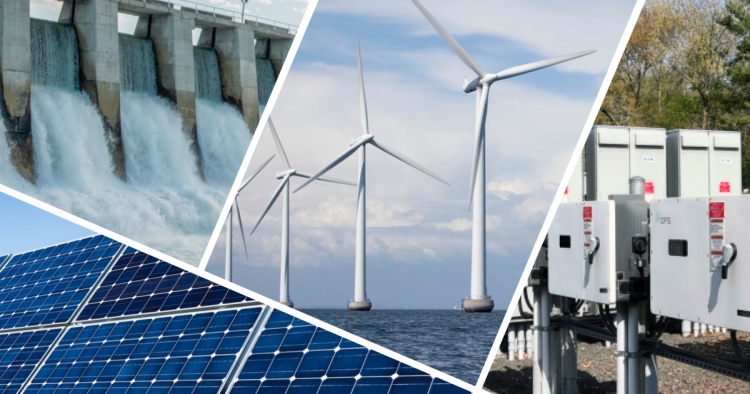
When most people hear about clean energy, they often picture a single source—like rows of solar panels or towering wind turbines—doing all the work. But reliable electricity doesn’t come from just one place. It depends on a broad mix of energy sources and technologies working together across the power system.
Massachusetts meets its electricity needs through a mix of energy sources, including solar and wind power, supported by technologies and strategies such as battery storage, energy efficiency, and grid modernization. These elements can help create a cleaner, more reliable electric grid throughout the day and across seasons.
Solar is the daytime powerhouse
Solar energy is one of the most familiar forms of clean energy. Rooftop panels and community solar projects convert sunlight into electricity, especially during the middle of the day when the sun is strongest. In Massachusetts, solar production tends to peak in the afternoon, often when people are using electricity for cooling, appliances, and work-from-home setups.
But solar has an obvious limitation: it depends on sunlight. Production drops in the evening and disappears at night. That’s where the rest of the system steps in.
Wind: Stronger when the sun fades
Wind energy often complements solar in a natural way. In many parts of the Northeast, wind speeds tend to pick up in the evening and overnight—exactly when solar output declines. Offshore winds, in particular, are a major economic opportunity for New England, where ocean winds are strong and consistent.
This means that wind can sometimes provide electricity during periods when solar production is lower. While the two resources do not create a perfect handoff, their different production patterns can help balance the clean energy system over time.
Saving energy for later
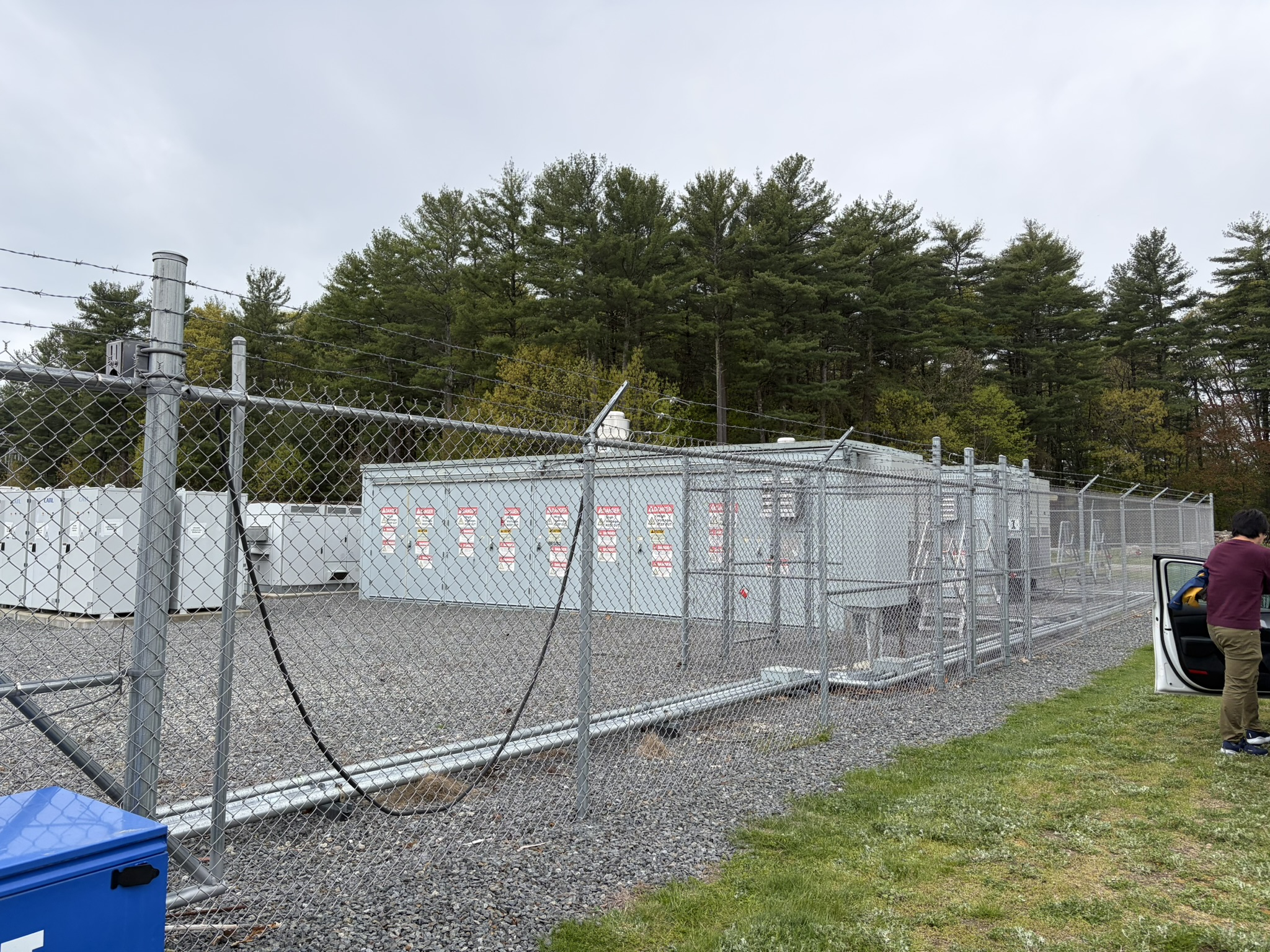
Battery storage is one of the technologies that can help renewable energy resources work more effectively together. When solar panels or other resources produce more electricity than is needed at a given time, some of that energy can be stored in batteries for later use. Then, when demand rises in the evening or when the weather isn’t cooperating, those batteries release the stored energy back into the system.
Think of battery storage as a savings account for electricity. It smooths out the ups and downs of renewable energy production, making it easier to rely on clean energy even when the sun isn’t shining or the wind isn’t blowing.
Battery systems are being installed in many homes, businesses, and at larger grid-scale facilities. They can help reduce strain on the system during periods of peak demand and support greater reliability and price stability over time.
The brain of the entire system
If solar, wind, and batteries are the players, grid technology is the coach calling the plays. Grid modernization uses advanced software, sensors, and automation to manage how electricity flows.
Instead of a one-way system where power travels from a central plant to your home, today’s grid is becoming more interactive. It can handle energy coming from many different sources, including rooftop solar systems, community solar arrays, and battery installations.
Grid modernization can help utilities better predict demand, respond to outages, and manage electricity from a growing number of energy sources and technologies. For example, when electricity demand changes or renewable energy production fluctuates, modern grid technologies can help utilities better manage available resources and maintain reliable service.
Hydropower and other steady sources
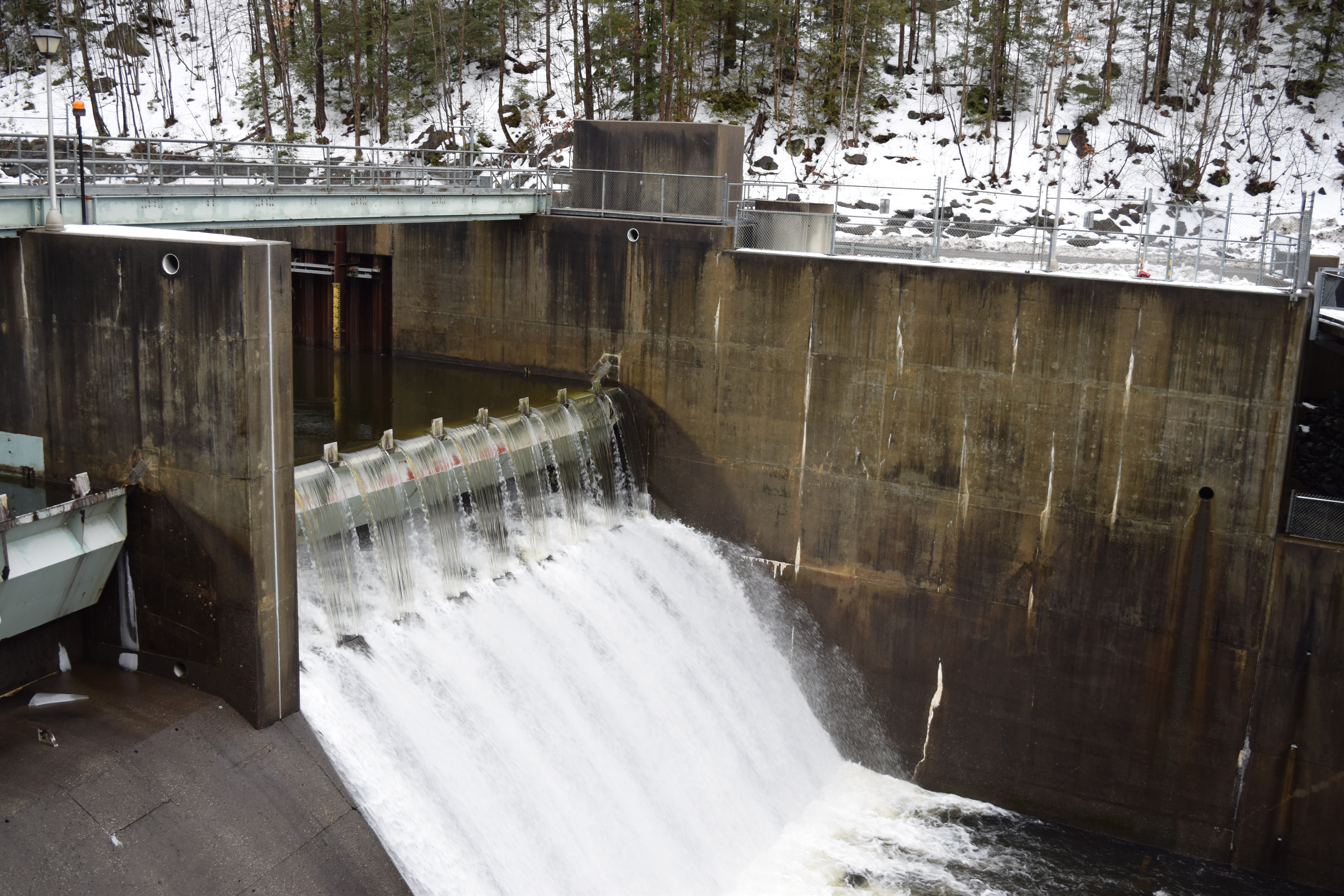
In addition to solar and wind, other renewable energy sources contribute to stability. Hydropower, which generates electricity from flowing water, provides a consistent and predictable supply of energy. Massachusetts is home to several small hydropower facilities. While we don’t have large hydropower resources within the state, we do receive hydroelectric power from neighboring regions.
There are also smaller but growing contributions from technologies like geothermal energy. These sources add diversity to the energy mix, which is key to reliability.
The benefits of a diverse energy mix
No single clean energy resource can meet all of the state’s electricity needs at every moment. A reliable system depends on a diverse mix of resources. As Massachusetts adds more clean energy, these technologies will need to work together as part of the broader power system.
This approach has several benefits for Massachusetts residents:
- Reliability: Power stays on even when one source isn’t producing energy.
- Efficiency: Excess energy doesn’t go to waste thanks to battery storage.
- Resilience: A diversified system is better prepared for extreme weather or unexpected disruptions.
- Accessibility: More local generation, such as rooftop solar, means communities can play a direct role in energy production.
- Affordability: A more flexible energy system can help reduce strain during high-demand periods, which may support more stable energy costs over time.
What it means for everyday life
You might not see all these moving parts working together, but you’ll notice the results: fewer outages, more stable energy costs over time, and cleaner air are all part of the picture.
As more homes and businesses adopt solar panels, more offshore wind projects come online, technologies become more energy efficient, and more battery systems are installed the system becomes even stronger. Grid modernization ensures that all these pieces can connect and operate efficiently.
The transition to clean energy isn’t about flipping a switch from one source to another. It’s about building a smarter, more balanced system where different technologies support each other.
And that’s exactly what’s happening. Solar generates power when the sun shines. Wind picks up when solar slows down. Batteries store energy for when it’s needed most. And modernized grid technology keeps everything running in sync. Together, they create a system that delivers reliable, clean energy in our state.
Learn how Mass Clean Energy is supporting grid modernization and the development of clean energy technologies on our Net Zero Grid page.