

Who should I talk to about getting started?
Planning for electric charging can be complicated, but it doesn’t have to be. Bring in the right partners early on to help as you plan your charging infrastructure. This includes:
Your utility provider
If you decide electric charging is right for your business, reach out to your utility provider. They may offer:
- Consulting and planning support
- Site preparation
- Financial incentives
Your property owner or manager
If your business rents your space, you’ll need to bring in your property owner before beginning any installation work.

What level and charging speed do I need?
There are three basic types of EV charging you can choose between, ranked in order of what is best for medium and heavy-duty fleets.
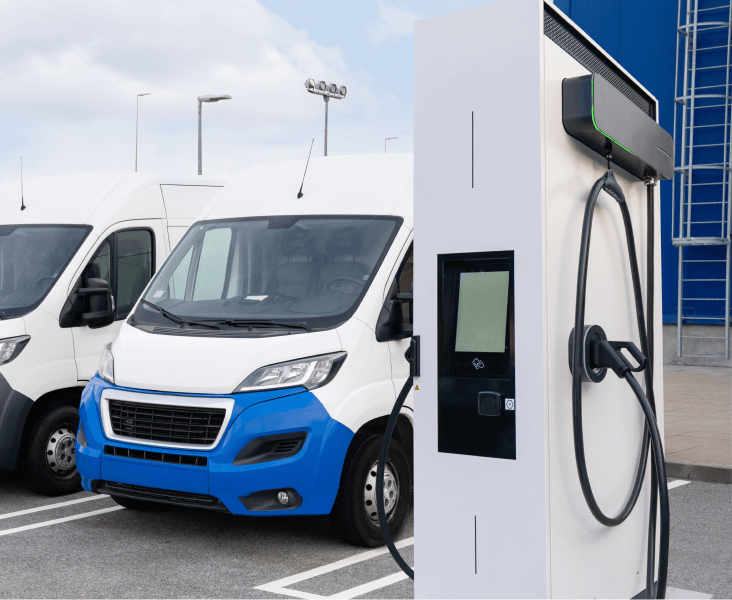
Level 3 (Direct Current Fast) Charging:
- Only available for commercial and public charging locations.
- May require electrical service upgrades to three-phase power.
- Ideal for medium-duty vehicles, heavy-duty vehicles, or light-duty vehicles that run multiple shifts, since they can typically charge in one to two hours. Light-duty vehicles can usually reach the recommended 80% charge in under an hour.
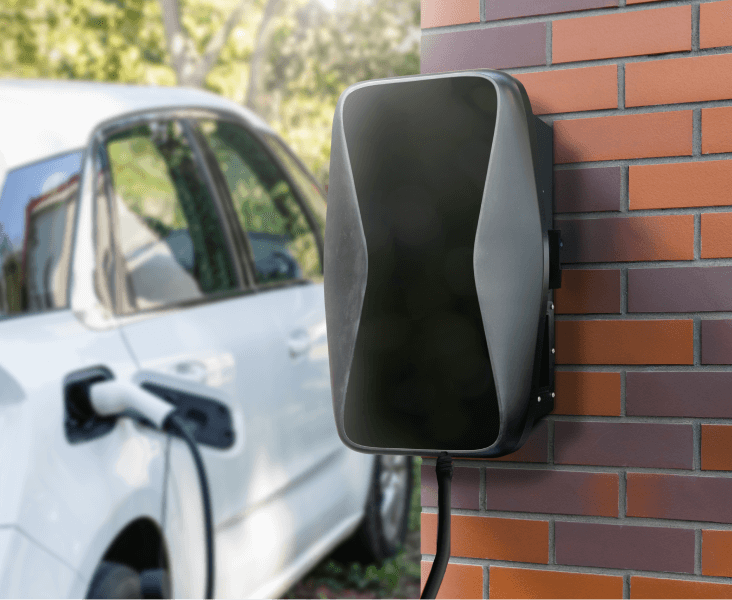
Level 2 Charging:
- The most common type used by retail businesses.
- Offer enough charge at a sufficient speed to support most fleets.
- Can be used for light, medium, and heavy-duty vehicles.
- May require upgraded electric service if installing multiple chargers
- Ideal for overnight charging or if drivers have a few hours, since they take between 4-10 hours to reach the recommended 80% charge.
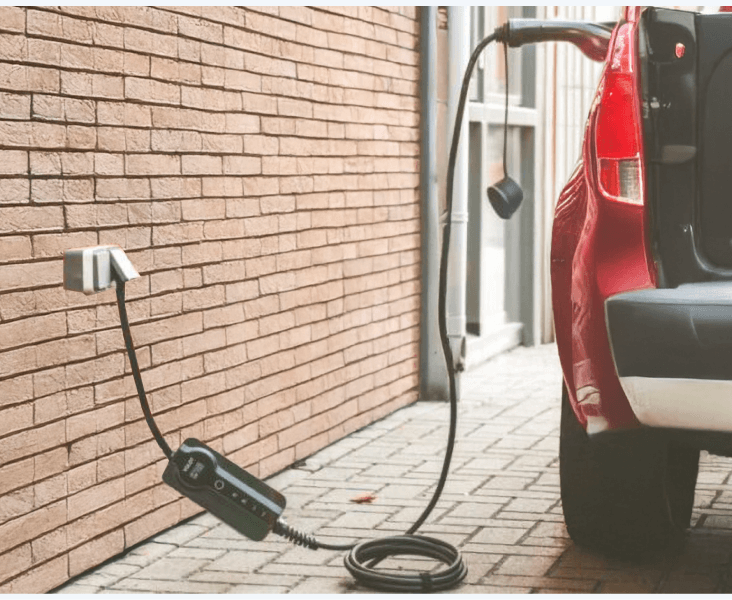
Level 1 Charging:
- Suitable for light-duty vehicles with short routes, but not medium-duty vehicles.
- The most affordable to install, since they don’t require anything beyond standard 120V outlets.
- Ideal if drivers can charge all day or overnight, since they can take more than 24 hours to get the recommended 80% charge.
- Can charge between 2-5 miles of range per hour.

How much will it cost to install and operate charging?
Installing EV charging stations for the first time can be a big investment, but once you’ve done the groundwork it’s easy to add more chargers or maintain the ones you already have. Luckily, there are also incentives to help bring down the costs for businesses.
Here’s what kind of costs you can expect:
Installation & Equipment:
EV charging equipment varies widely in price depending on the type of charging equipment, but buying in bulk can help reduce the price. According to the Argonne National Lab, the cost of charging equipment can range from $4,900 per Level 2 charging connector (the plug that connects an EV to the charger) to $87,800 per DC Fast charging connector. Installation costs will vary. You can use incentives to bring this upfront cost down.
Operation:
To power and operate a charging station, businesses typically need to consider:
- Energy costs
- Usage monitoring and a point-of-sale system for publicly available chargers
- Software costs (if you opt for a smart charger)
- Maintenance
- Snow removal
- Insurance

Where should I put my charging station?
The top considerations when figuring out where to put your charging station are:
Power Availability:
- Proximity to power sources (such as electrical panels or transformers) is key when determining the cost of installing chargers. Your utility provider can help you figure this out if you’re unsure.
- Placing charging equipment near existing power connections will reduce costs and installation time, especially if your power source has reserve capacity so you won’t need electrical updates.
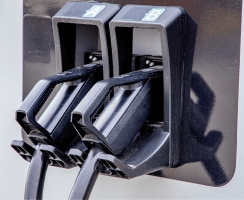
Mounting Capabilities:
- Wall mount chargers generally cost less to purchase and install, so they’re a great option if your business parking area is located near a wall.
- Depending on your fleet size, you may want to consider dual or multi-port mounting options that can charge multiple vehicles at once. This might also reduce the cost per installation. Sometimes, you’ll need electrical upgrades for these mounts, but if you plan to install more chargers in the future they could be a worthwhile investment.
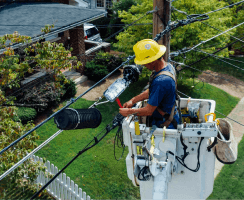
Construction Options:
- Consider the extent of the site work you’d need to set up chargers, including trenching for underground conduits to connect your charging station to your electric panel, upgrading your electrical infrastructure, or creating an accessible paved path to the charging station.
- If digging is required, it’s best to choose soft-ground locations like grass medians (rather than sidewalks or asphalt) to help reduce costs.
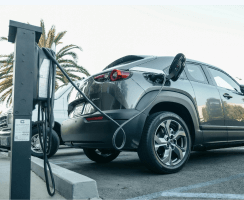
Environmental Protection & Safety:
- It’s ideal to limit your charging station’s exposure to the elements when possible.
- Charging equipment is designed to be safe in wet environments, but it’s best to avoid installing chargers in areas that are prone to flooding.
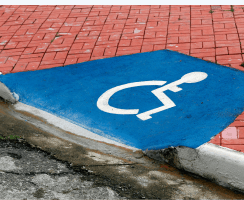
Accessibility:
- When choosing a charging location, prioritize an area that’s wheelchair-accessible so that all employees and customers can use the chargers.
- If you plan to open your charging station to customers or employees, your station may need to be ADA-compliant. Learn more at the US Access Board website.

How can I recoup costs?
There are several ways that charging station owners can recover some of the installation and energy costs, but this depends on if your chargers are publicly available.
Private charging stations:
Solar installations can help offset energy costs of EV charging. Depending on your utility provider, you can make net-metering arrangements through the Commonwealth’s SMART program and earn energy credits that can be worth hundreds of dollars annually.
Publicly available chargers:
If customers can use your charging stations, you can set them up so that users pay a fee based on either the energy provided (kWh), a flat-rate per session, and/or by hours connected to the charging equipment. Many businesses and towns prefer to combine these fee structures to help limit the number of people using the space all day. For example, they set a flat rate for the first four hours and then set a higher rate for any hours thereafter. This allows more customers to use the station and utility companies to better manage the electric load.
Check with your charging equipment manufacturer to see if there is an option to collect fees. If you decide to go that route, learn more about setting fees and policies here.
Another option for public chargers is to run advertisements on them. Some charging equipment models include space for advertising, either on the equipment itself or an app interface. Charging equipment owners can lease out this space to generate income. Businesses can also promote their charging stations on public charging maps (such as Plugshare). This encourages EV drivers to stop by and spend time in retail locations while their cars charge.