
MassCEC is fostering the collaboration and innovation we need to modernize the electric grid to power our electrified buildings, industry, and transportation system.
Emissions produced by generating electricity are lower than those from transportation or buildings, largely due to the retirement of coal- and oil-burning power plants.
In upcoming years, more clean electricity produced by sources like sun and wind will be interconnected with our electric transmission system to further displace fossil fuels. The addition of large scale battery storage will provide round-the-clock availability of clean energy to Massachusetts businesses and households.
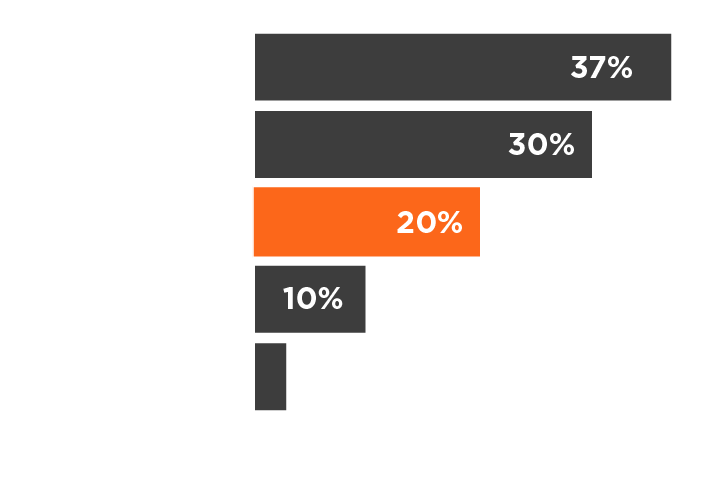
Massachusetts 2020 Greenhouse Gas Emissions by Sector
Source: Massachusetts Clean Energy and Climate Plan for 2025 and 2030.
To strengthen our progress even more, MassCEC pursues these strategies:
Innovation in the Grid: Our Gridtech Launch Pad connects gridtech developers to utilities and energy providers, putting cutting-edge technology to work to make the grid more efficient, support today’s electricity needs, lower energy bills, and support entrepreneurs that help to advance the State’s economy.
- Innovation in how we work to advance Massachusetts’s energy system. Our Grid Collaboration Lab fosters progress towards new models of collaboration needed to support grid modernization.
Net Zero Grid’s Visions for the Future Grid
MassCEC envisions a future energy grid that enables an abundant economy and high quality of life for all residents of Massachusetts. Clean electricity will flow from thousands of in-state resources of all sizes, from household solar panels to large-scale offshore energy. Households will not just be grid customers, but enjoy the benefits of home storage and smart-energy devices, enabling greater agency in the power system. The grid itself will be equipped with thousands of intelligent devices capable of capturing and responding to real-time data, making it supremely resilient and efficient. Crucially, the development of this future grid will prioritize restitution of prior energy injustices, ensuring that the transition to a clean and modern energy system is equitable and inclusive.

The foundation of a net zero emissions grid is an abundant supply of zero-emissions electricity. This electricity can come from renewable energy generators, such as off-shore wind, land-based wind, hydropower, solar power and other sources.
Abundant clean electricity can power an electrified economy, in which heating and transportation are increasingly powered by electricity rather than fossil fuels.
Modern grid infrastructure, demand response, energy storage, and many other emerging technologies and business models can help balance the supply of renewable energy and the demand for electricity across time periods.
Novel, data-rich tools can support the traditional utility planning and management systems in order to identify and prioritize least-cost solutions for the transition.