
In Massachusetts, smart energy choices at home are part of a larger, coordinated effort to build a more reliable, affordable, and clean energy system. Earth Week offers a practical opportunity to focus on what residents can do today to improve how their homes use energy.
For many, transitioning to clean energy can feel complex or costly. In reality, a few accessible changes can make a meaningful difference. Improving energy efficiency, installing rooftop solar, and adopting heat pumps are three straightforward ways households can lower energy use, reduce long-term costs, and enhance everyday comfort. These are not abstract ideas—they are widely available solutions that more Massachusetts residents are adopting every year.
These individual actions also contribute to something bigger. By reducing demand, generating clean power locally, and using energy more efficiently, households help strengthen grid reliability and support the Commonwealth’s long-term climate and economic goals. Programs like Clean Energy Lives Here play an important role by connecting residents to trusted information, supporting innovation, and expanding access to programs and resources statewide.
Energy Efficiency: The First and Most Cost-Effective Step
Energy efficiency is often the easiest place to start—and the most immediately impactful. The cleanest and least expensive energy is the energy you don’t use, which is why energy efficient home upgrades are widely considered the foundation of any clean energy transition. Most MA residents have access to programs that unlock access to free or nearly free weatherization services.
Common upgrades include weatherization measures like insulation and air sealing, as well as switching to high-efficiency appliances, LED lighting, and smart thermostats. These improvements help homes maintain consistent indoor temperatures, reduce drafts, and optimize how and when energy is used.
For Massachusetts residents, these upgrades can translate into noticeable savings on monthly utility bills. By reducing overall energy demand, households also help lessen strain on the electric grid, particularly during periods of peak usage such as very hot or cold days. This contributes to improved reliability for everyone.
The state offers a range of programs and incentives that make these upgrades more accessible, with some options available at low or no cost depending on eligibility. In parallel, Mass Clean Energy Center and Mass Save support innovation and help advance new efficient technologies, ensuring that solutions continue to improve and reach more households.
Rooftop Solar: Generating Clean Energy at Home
Rooftop solar provides another practical way for residents to take control of their energy use while supporting a cleaner grid. By installing solar panels or participating in a community solar program, households can generate their own electricity from a renewable source.
This approach reduces reliance on grid-supplied power and can help protect against rising electricity costs over time. In Massachusetts, strong solar adoption has been supported by policies like net metering and various financial incentives, making solar more attainable for a wide range of homeowners and renters.
Beyond individual savings, solar energy contributes to a more distributed energy system. Instead of relying solely on centralized power plants, electricity is generated closer to where it is used. This can improve resilience, especially during periods of high demand or unexpected disruptions.
Energy efficient upgrades and solar often work best together. A more efficient home uses less electricity overall, which can make a solar system even more effective in meeting a household’s energy needs. Together, these strategies create a more balanced and cost-effective approach to home energy.
Mass Clean Energy Center has played a role in supporting early-stage solar market development, funding pilot programs, and helping build the workforce needed to sustain industry growth across the state.
Heat Pumps: Efficient Heating and Cooling Year-Round
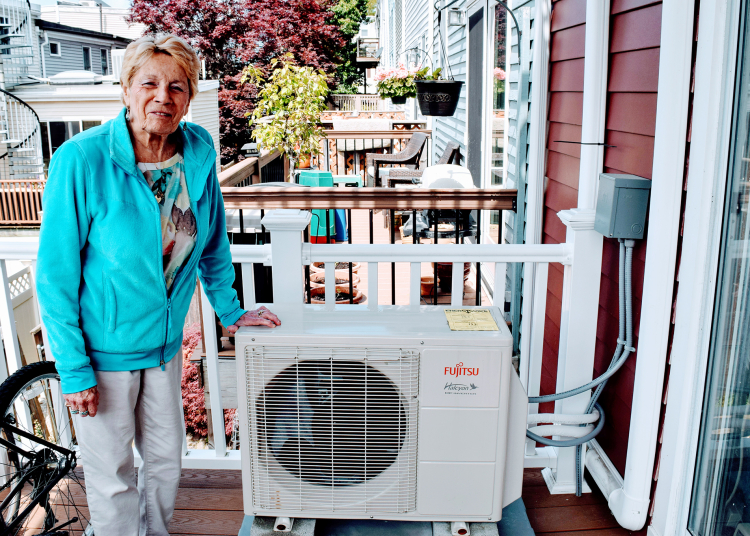
Heating and cooling account for a significant portion of household energy use in Massachusetts, making this area a key opportunity for improvement. Heat pumps are an increasingly popular solution because they provide both heating and cooling in one highly efficient system.
Unlike traditional systems that generate heat by burning fuel, heat pumps move heat from one place to another, which requires significantly less energy. Air-source and ground-source options are available, depending on the home and site conditions.
For many households, switching to a heat pump can reduce reliance on fossil fuels such as heating oil or natural gas. This not only reduces pollution but can also lead to more stable and predictable energy costs over time. In addition, heat pumps offer consistent indoor comfort throughout the year, including during humid summer months.
Massachusetts has seen growing adoption of heat pumps, and incentive programs are available to help offset upfront costs, making these systems more accessible to residents.
As with other energy efficient home upgrades, Mass Clean Energy Center supports market development, workforce training, and pilot programs that help accelerate the adoption of advanced heating and cooling technologies.
Why These Choices Matter: Grid, Affordability, and the Economy
While each of these upgrades offer clear benefits at the household level, their combined impact extends much further. When many residents take steps to reduce energy use or generate clean power, the effects are felt across the entire energy system and entire communities.
Lower overall demand helps reduce stress on the grid, particularly during peak periods. This improves reliability and reduces the likelihood of outages or the need for costly emergency measures. Distributed energy resources like rooftop solar also enhance system resilience by diversifying where and how electricity is generated.
From an affordability perspective, widespread adoption of energy efficient upgrades can help control long-term system costs. When less energy is needed overall, infrastructure investments can be more targeted and efficient, which helps stabilize prices for consumers.
There are also important economic benefits. The growth of clean energy technologies supports job creation in installation, maintenance, and manufacturing. Massachusetts has positioned itself as a leader in climatetech innovation, and continued adoption at the household level helps sustain that momentum as new businesses establish roots in our cities and towns.
Workforce development is another key component. Training programs and industry partnerships help ensure that skilled workers are available to meet growing demand while creating new career opportunities across the state.
Small Changes to Improve Earth’s Future
The clean energy transition isn’t abstract—it’s already happening in homes across Massachusetts. Smart, practical decisions at the household level add up to meaningful system-wide impact.
This Earth Month, steps like improving efficiency, exploring solar, or upgrading to heat pumps can make your home more comfortable and affordable—while contributing to a cleaner, more resilient energy future for the Commonwealth.