
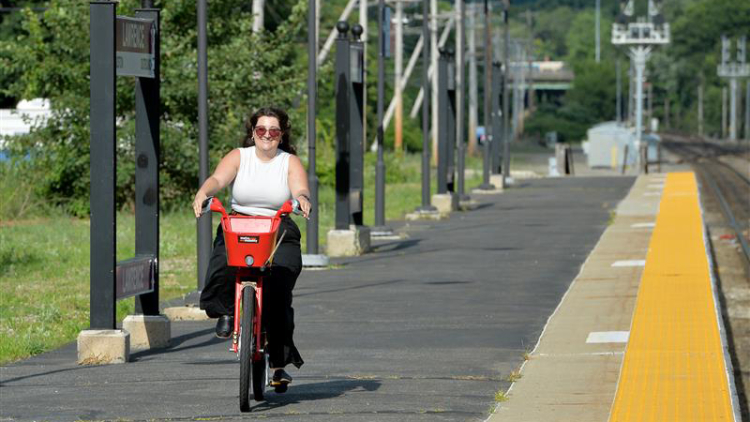
Investing in clean transportation is a practical way to cut the pollution we breathe every day. Vehicle exhaust is linked to asthma, and residents of color in Massachusetts are exposed to 26–36% more vehicle pollution than white residents. In Boston alone, on-road emissions account for 342 premature deaths annually. Transportation is also the state’s largest source of greenhouse gas emissions. Fortunately, cleaner options are already hitting the streets. And Massachusetts is piloting innovative solutions that have the potential to be scaled across the nation. By transforming the fuels we rely on and the vehicles we drive, we can cut pollution while improving mobility.
School Buses: Healthier Rides for Kids
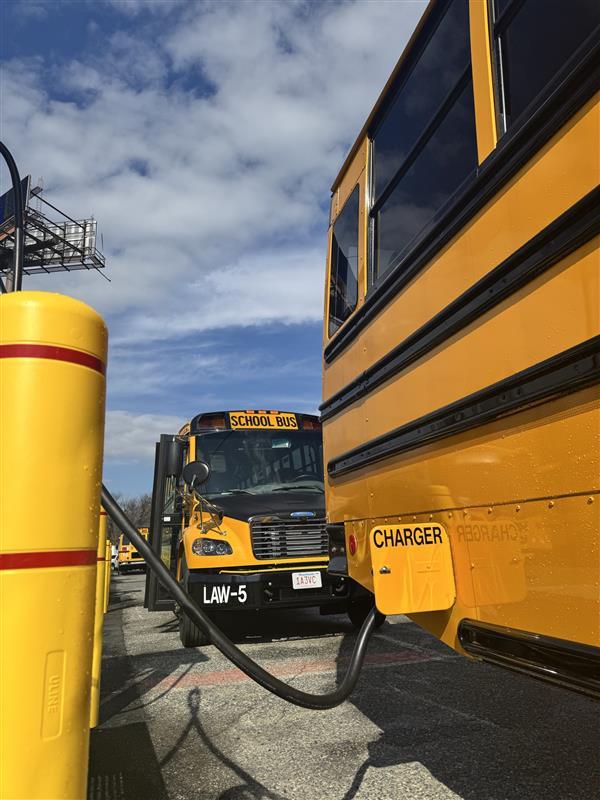
Over 8,000 diesel school buses in Massachusetts pollute the air that children and the adults around them breathe. Many Massachusetts districts are replacing diesel models with electric ones, cutting pollution, lowering maintenance costs, and improving air quality around schools. Boston has purchased 125 electric school buses and is moving toward a fully electric fleet by 2030.
The response has been enthusiastic: “Our students enjoy riding on our electric buses – they love the quiet drive. We all love that [no one] is being exposed to any exhaust fumes,” said Jackie Hayes, Boston Public Schools Deputy Director of Transportation. Boston Public Schools participates in the Massachusetts Clean Energy Center’s School Bus Program, which has to this date supported over 250 electric school buses across the state by awarding over $27 million in grant funding to public school districts making the transition to electric.
E-Bike Rebates: E-Bikes Empower Residents
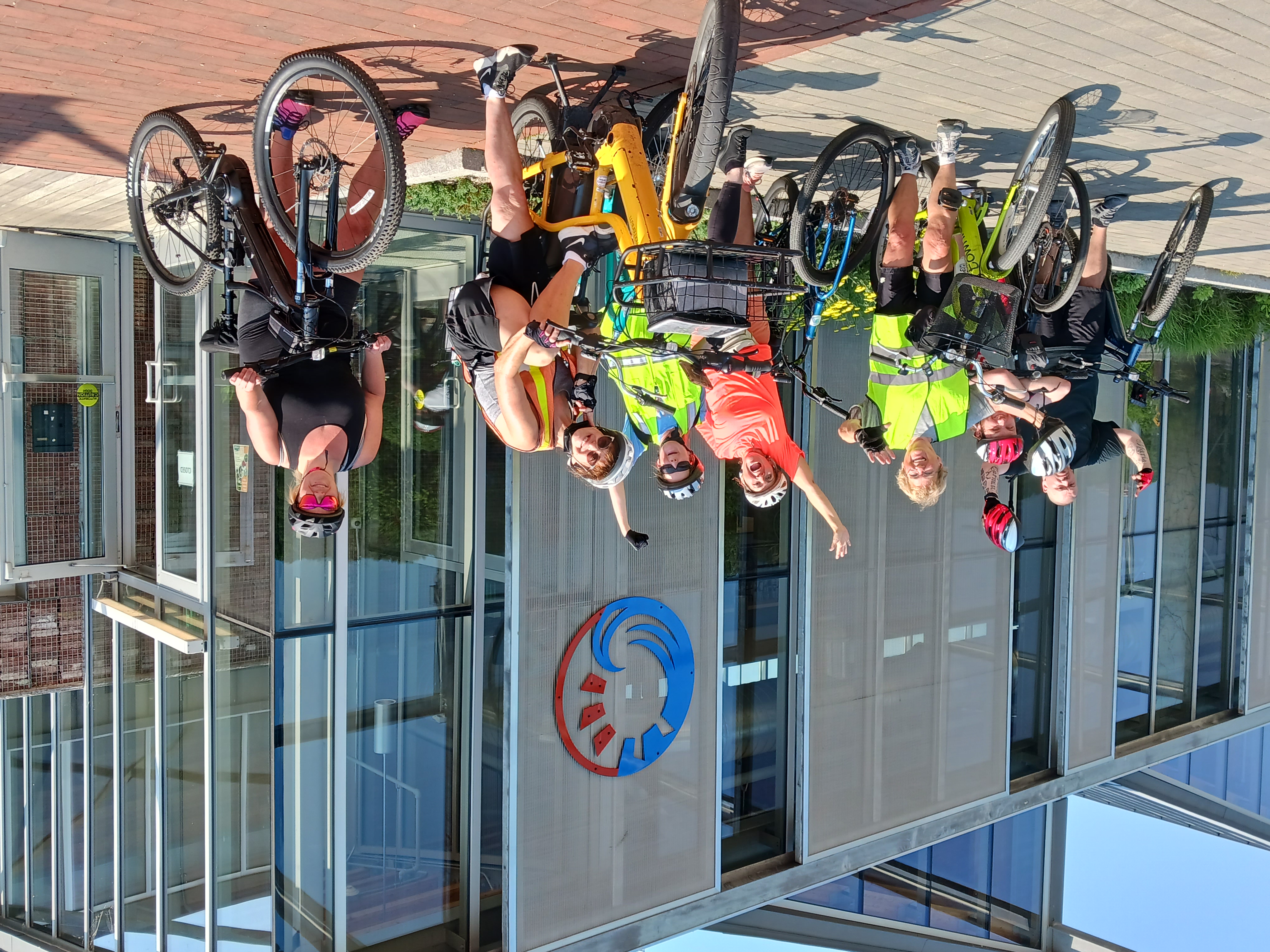
E-bikes are a simple way to replace short car trips. And in some cases, they help residents avoid car expenses altogether. Massachusetts launched a rebate program offering vouchers up to $1,200 toward a new e-bike last year.
With electric pedal-assist, riders go farther with less effort and often discover a cheaper, cleaner way to commute. As one new e-bike owner shared, “My e-bike has greatly expanded my range and made it much easier to live without a car… Boston and the surrounding areas are beautiful places to visit on two wheels.”
EV Charging Infrastructure: Making the Switch Easier
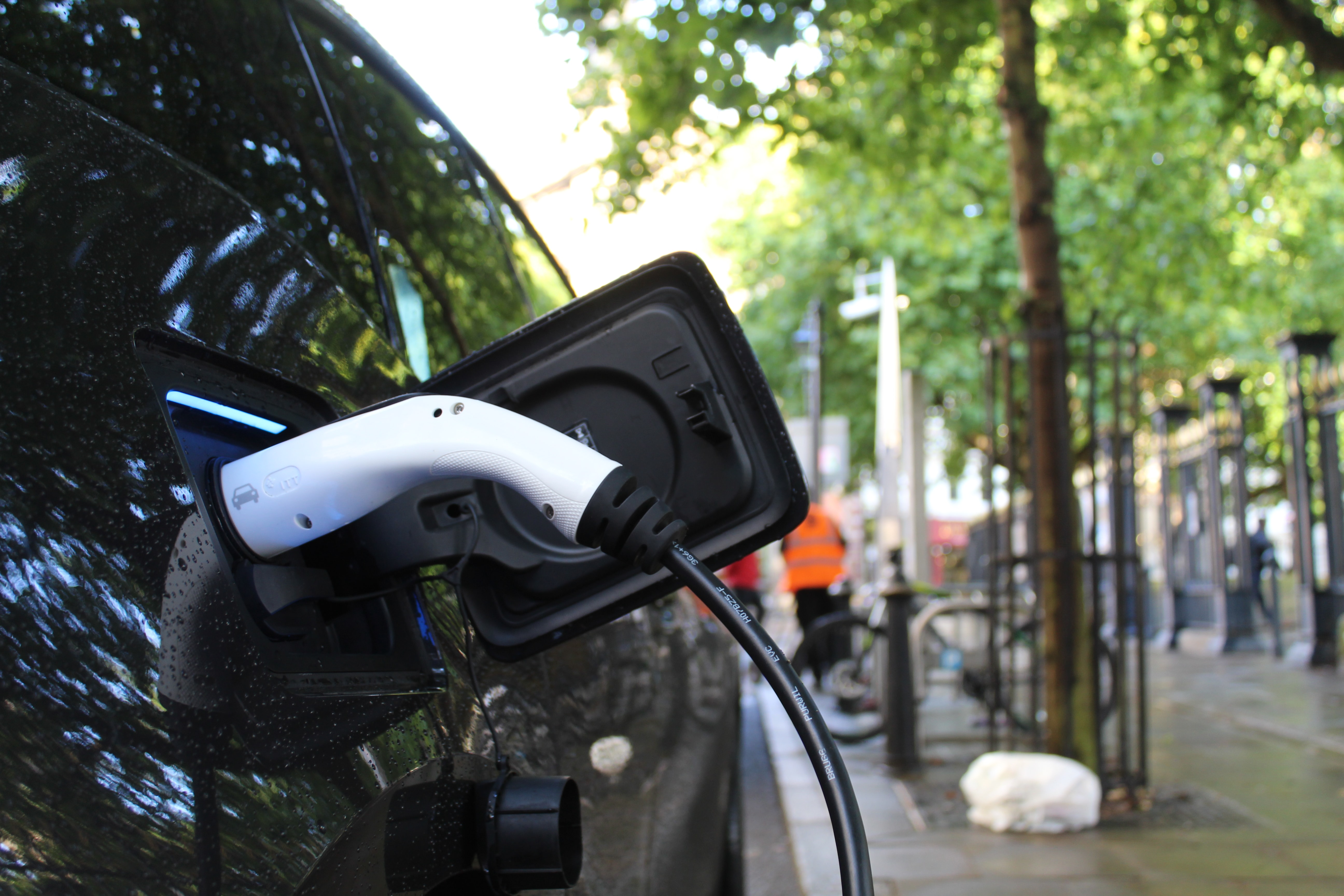
For many residents without a driveway, access to EV charging infrastructure can be a barrier. A new initiative from MassCEC is installing on-street EV charging in 15 Massachusetts cities, giving residents without off-street parking a way to power up near home. More public chargers make it easier for everyone to consider an electric car.
Take Action! Here’s What You Can Do
These efforts showcase how innovative programs and community action can clean up transportation.
Massachusetts residents: you can act today. Try an e-bike through a bike share program to experience the thrill of pedal-assist. If you are a parent, educator, or fleet manager, ask your school district to request free electric school bus planning through MassCEC’s School Bus Advisory Services or review Fleet Deployment options. If you are a renter or municipal leader, encourage your city to participate in On-Street Charging Solutions so curbside chargers appear where people park.
Massachusetts is leading the way for affordable clean energy transportation. Learn about other kinds of clean energy programs that can help you save money while contributing to cleaner air.
This article was originally published in the Museum of Science's Earthshift Newsletter..