
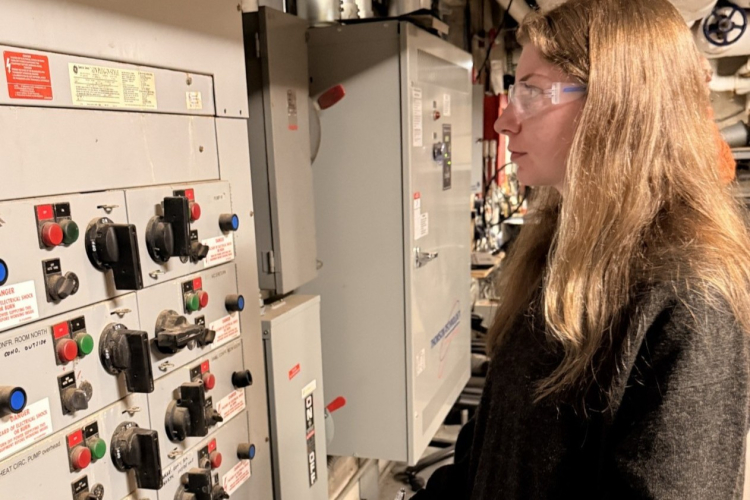
As demand for clean energy grows, so does the need for a workforce that can bridge technical knowledge and real-world application. For many employers, finding talent with both qualifications remains a challenge in a fast-evolving industry. Internships offer a practical way to close that gap, giving students hands-on experience while helping companies bring in new perspectives and build toward future hiring needs.
Through Mass Clean Energy Center’s popular Clean Energy Internship Program, Camelot Energy Group has been able to do both. This spring, the firm welcomed Calla Schultz, a materials engineering graduate student at Boston University, who joined the Programs & Policy team to support ongoing work in solar and energy storage while continuing to build her experience in the field.
A Growing Firm Supporting Clean Energy Projects
Camelot Energy Group focuses on advancing clean energy infrastructure, with core work in solar and battery energy storage. The firm partners with clients across the industry, offering services that range from technical due diligence to project advisory and owner’s engineering.
With a small team and an expanding project portfolio, new contributors quickly become part of the workflow. In addition to private-sector work, the company has recently expanded into supporting public-sector clients, working with municipalities and other organizations on clean energy planning and implementation.
For a company at this stage, hiring interns through the Internship Program has become a practical way to support growth. “It’s been a really smooth process,” said Michelle Aguirre, Project Manager at Camelot. “For a smaller team, having access to a program like this makes it much easier to bring people on and get them involved quickly.”
How Interns Contribute to the Work
At Camelot, interns are not limited to observational roles. Instead, they are brought into active projects early on, supporting research, analysis, and the development of client-facing materials.
In Calla’s case, that meant working on technical resources related to solar and battery storage. One of her key projects involved developing fact sheets, taking complex technical information and translating it into clear, accessible formats. What began as a single assignment has since evolved into materials that can be used across multiple projects.
The team looks for more than technical qualifications when selecting interns. Initiative and communication are equally important. “She was very willing to ask questions and share ideas,” Aguirre said. “That made it easier for her to contribute right away.”
That early involvement allows interns to become part of the team’s day-to-day work.
Building on Experience in the Field
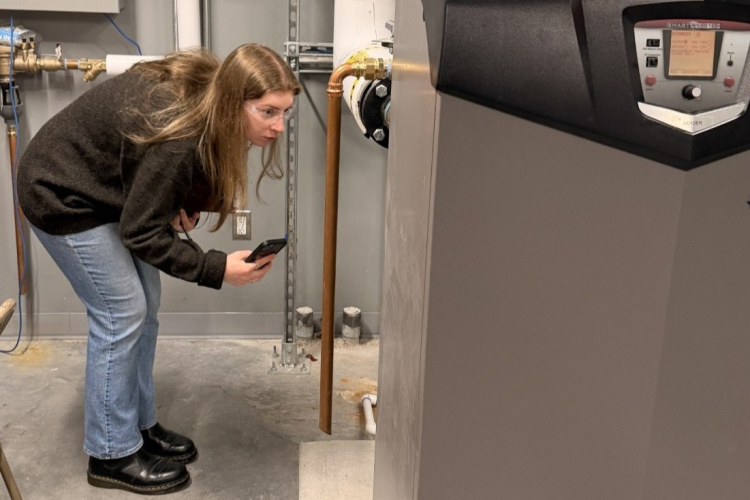
For Calla, the internship builds on a growing interest in solar and energy storage. Calla previously worked with a solar and storage developer, PureSky Energy, through the Internship Program, which allowed her to gain exposure to the development side of the energy storage industry.
At Camelot, that perspective has expanded. Supporting the company’s programs and policy work, she has contributed to projects with public-sector clients, participating in technical assistance sessions with municipalities, identifying common challenges, and helping develop resources to support clean energy adoption.
“It’s been interesting to see a different side of the industry,” she said. “You’re not just looking at development—you’re working with communities and understanding what goes into making these projects happen.”
Along the way, she has developed skills in research, project coordination, and stakeholder engagement, while gaining exposure to industry events.
As the internship progressed, she took on more ownership of her work and contributed more independently to project deliverables, becoming increasingly integrated into the team’s workflow.
Her internship has since been extended beyond its initial timeline, reflecting both organizational need and the value of her contributions. “She’s become part of the team,” Aguirre said. “If we have the opportunity, we’d absolutely consider bringing her on full time.”
Creating Value on Both Sides
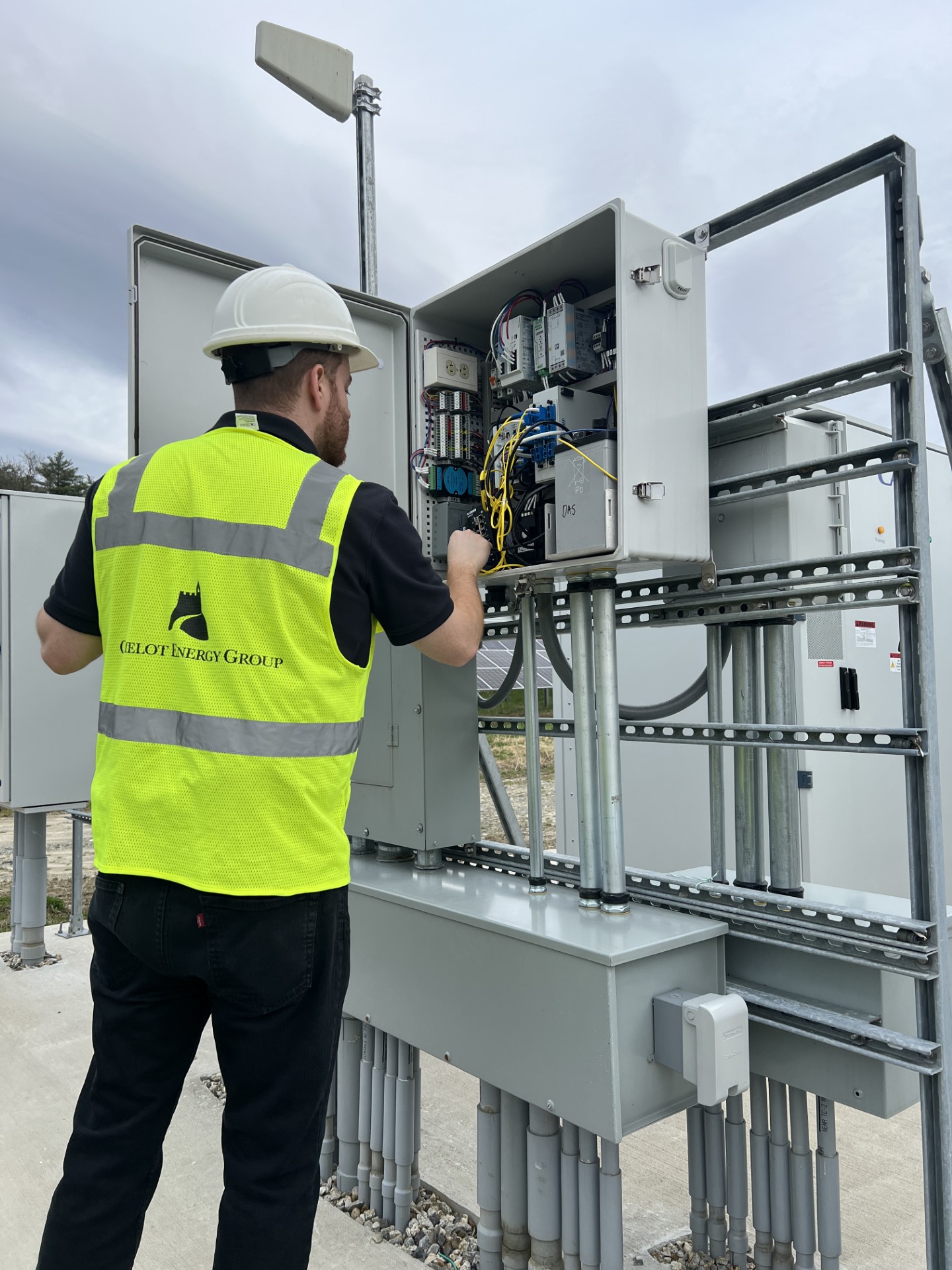
Experiences like this highlight how internships create value on both sides. Companies gain additional capacity and fresh perspectives, while interns build skills and connections that shape their career paths. For smaller firms, they also make it easier to bring in talent and assess long-term fit.
In some cases, that impact comes full circle. At Camelot, Aaron King, now Director of Programs and Policy, first participated in the Internship Program early in his career in 2013, where he worked with PowerOptions, a nonprofit energy-buying consortium that helps nonprofits and public entities reduce the cost of clean energy. Reflecting on that experience, he described it as a turning point: “I knew I was trying to get into renewable energy, but my [undergrad mechanical engineering] program didn't have a lot of opportunities for exposure. My internship with PowerOptions was really a critical turning point where I started to consider a career beyond just engineering.”
Now at Camelot, Aaron can give a bit back to the program that first sparked his career journey in clean energy by bringing on and mentoring young talent like Calla and helping create the same opportunities that shaped his own career.
From Experience to Career
As she approaches graduation, Calla is already taking the next step in her clean energy career. Building on the experience she gained through her internships at PureSky and Camelot, she has accepted a full-time offer with Camelot as an Associate Project Engineer. For Camelot, participation in the internship program remains an important part of how the company approaches growth—both in supporting current work and identifying future team members.
Calla’s experience reflects the two-way impact of the internship program: helping students and recent graduates jumpstart meaningful careers while giving established professionals the opportunity to lead and mentor the next generation of clean energy talent.
Ready to gain hands-on experience or host an intern? Visit our Clean Energy Internships program page to learn how to participate.