
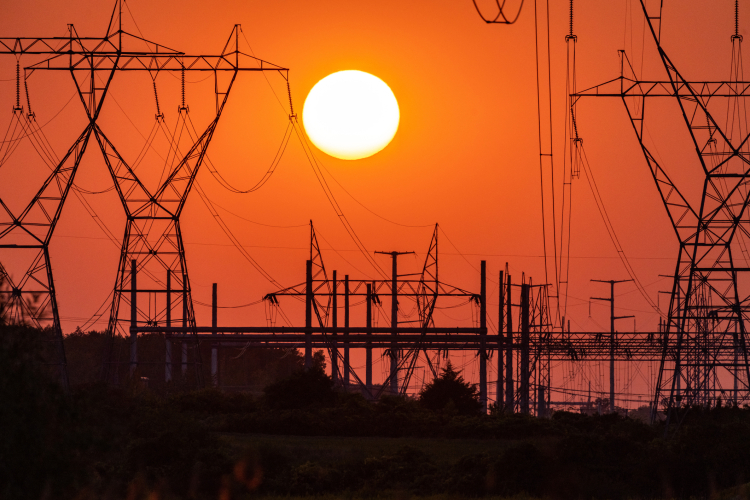
Extreme heat is no longer an occasional summer challenge. In fact, it is now becoming a defining feature of the Northeast’s changing climate as Massachusetts warms faster than the global average. During heat waves, electricity demand rises sharply as homes, businesses, and public facilities rely on air conditioning and cooling systems to stay safe and comfortable. This is critical for public health particularly as humidity also rises, but these periods of peak demand can place significant stress on the electric grid, making reliability a top priority for energy planners, utilities, and policymakers.
Massachusetts is preparing for a hotter future through a combination of strategic planning, infrastructure investment, and clean energy deployment. By strengthening the electric grid, expanding energy storage and renewable energy resources, and helping consumers reduce energy use through efficiency programs, the state is working to ensure dependable electric service during even the most demanding summer conditions.
Why Heat Waves Challenge the Electric Grid
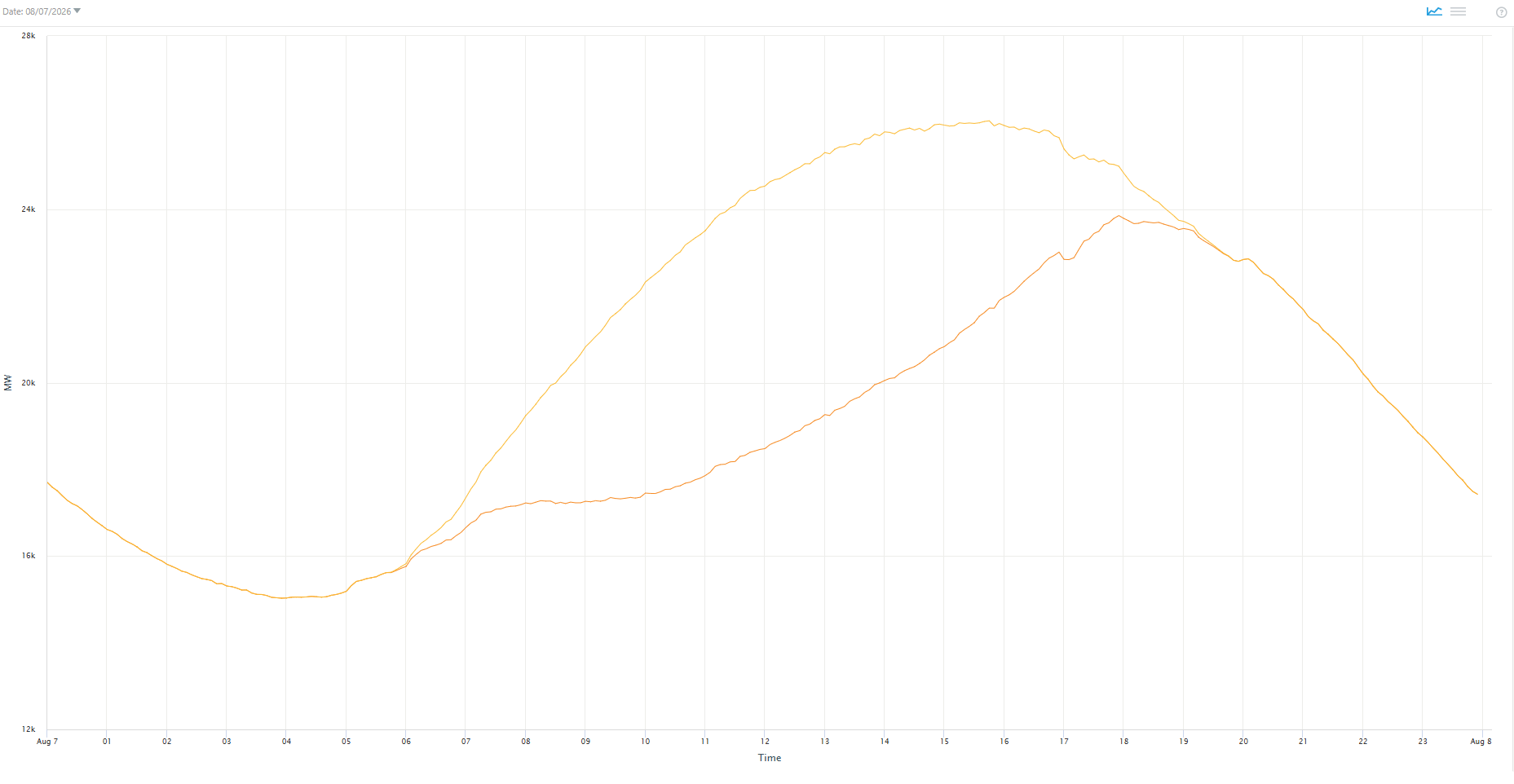
When temperatures soar into the 90s and beyond, air conditioners across the state kick into high gear. Millions of homes and businesses are using more electricity at the same time, creating a sharp spike in demand.
Think of the electric grid like a highway system. On a typical day, traffic flows smoothly. But during rush hour, congestion builds as more cars enter the road. The same thing happens on the electric grid during a heat wave. As demand increases, utilities and grid operators must work carefully to make sure enough electricity is available to meet everyone's needs.
Extreme heat can also affect equipment performance. Transmission lines, transformers, and other components of the electric system can face additional stress when temperatures remain high for extended periods. That’s why planning ahead is so important.
The Behind-the-Scenes Work That Keeps Power Flowing
Most people only think about the electric grid when they flip a switch (or when the power goes out), but maintaining reliable service requires year-round planning.
A key player in this effort is ISO New England, the organization responsible for operating the regional electric grid across the six New England states. ISO New England constantly forecasts electricity demand, monitors grid conditions in real time, and coordinates energy resources to ensure supply and demand stay balanced.
Long before summer arrives, utilities, state agencies, and grid operators begin preparing for periods of peak demand. They evaluate available energy resources, conduct seasonal reliability assessments, and develop plans for responding to extreme weather conditions.
This kind of coordination helps ensure that when temperatures rise, the power system is ready.
Clean Energy Plays an Important Role
Reliable electricity isn’t just about power plants and transmission lines anymore. Clean energy resources are an increasingly important part of maintaining grid reliability.
Massachusetts has invested heavily in solar energy, offshore wind, battery storage, and energy efficiency programs. Together, these resources help create a more diverse and resilient energy system.
Battery storage is particularly valuable during heat waves. Batteries can store electricity from solar and wind sources when demand is lower and release it back to the grid when demand peaks. This helps reduce strain on the system during the hottest hours of the day.
Energy efficiency is another powerful tool. Heat pumps are by far the most efficient technology for cooling buildings, and every home or building that uses less energy reduces overall demand on the grid. When thousands of homes make efficiency improvements, the impact can be significant during periods of extreme heat.
Building a Smarter Grid for the Future
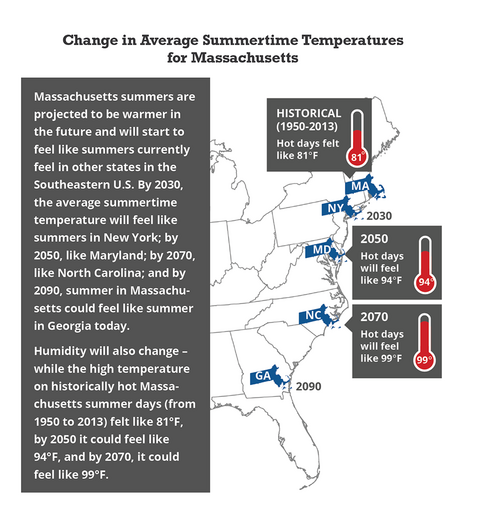
As summers continue to get hotter, Massachusetts is modernizing its electric infrastructure to meet changing energy needs.
Utilities are investing in advanced monitoring technologies that provide better visibility into grid operations. These tools help operators identify potential issues more quickly and respond more effectively when demand increases.
Infrastructure upgrades are also helping improve reliability. New equipment, stronger distribution systems, and enhanced forecasting tools allow utilities to better manage peak demand and prepare for future growth.
The state is also integrating more distributed energy resources, such as rooftop solar systems and battery storage, which can help support local energy needs and improve system resilience.
These investments are helping create a smarter, more flexible grid that can adapt to changing weather patterns and energy demands.
What Homeowners Can Do During Heat Waves
While large-scale planning and infrastructure investments are important, homeowners can also play a role in supporting grid reliability and reducing their own energy bills.
Here are a few simple steps that can make a difference:
-
Use a programmable or smart thermostat. Smart thermostats can automatically adjust cooling settings throughout the day, helping reduce unnecessary energy use while keeping your home comfortable. During peak demand periods, typically between 5–9 p.m., adjusting your AC by a few degrees can also help reduce strain on the electric grid. Some utility programs, such as Mass Save’s ConnectedSolutions, offer incentives to eligible customers with smart thermostats for participating.
-
Run appliances during off-peak hours. Dishwashers, clothes dryers, and washing machines generate heat and use significant amounts of electricity. Running them overnight or early morning can help reduce demand during peak afternoon hours.
-
Improve home energy efficiency. Upgrades such as installing mini-splits or heat pumps, sealing air leaks, adding insulation, using ceiling fans, and installing energy-efficient appliances can reduce cooling costs and lower electricity consumption.
-
Close blinds and curtains. Keeping sunlight out during the hottest parts of the day can help your air conditioner work less and maintain a comfortable indoor temperature.
-
Take advantage of energy-saving programs. Many utilities offer rebates, incentives, and energy-efficiency programs that can help homeowners lower energy use and save money. Residents can also sign up for programs like Green Energy Consumers Alliance’s Shave the Peak, which sends alerts on high-demand days with guidance on when reducing electricity use can have the greatest impact.
Staying Prepared for a Hotter Future
Heat waves are becoming more common, but Massachusetts is taking proactive steps to prepare. Through long-term planning, grid modernization, clean energy investments, and energy-efficiency programs, the state is working to ensure reliable electric service even during periods of extreme heat.
For homeowners, small actions can add up to meaningful results. By using energy wisely and taking advantage of available efficiency programs, residents can help support grid reliability while keeping their homes comfortable and their energy bills under control.
As temperatures rise, the electric grid is essential to public health and safety. Ensuring the grid’s reliability is up to all of us.
Ready to make your home more energy efficient? Explore clean energy options, available incentives, and resources through Clean Energy Lives Here.