
As students and teachers in Massachusetts prepare to head back to the classroom, the race is on to complete lesson plans and do some last-minute shopping for clothes and school supplies before the first school bell rings.
Meanwhile, behind the scenes, the buildings, transportation, and energy systems that support learning are evolving — along with the opportunities that can prepare students for future careers.
Across the state, investments are already underway to modernize school buildings, transition diesel school buses to electric models, and prepare students and young adults for careers in the growing clean energy economy. Schools and districts are putting these changes into practice with support from programs and investments administered by Mass Clean Energy Center.
Together, these efforts show how the ongoing clean energy transition in the state can become part of the everyday experience of a student—from the building in which they learn, to the bus that gets them there, to the career opportunities waiting for them after graduation.
Modernizing Massachusetts School Buildings
For communities looking to update aging school facilities, cleaner and more efficient energy use is increasingly becoming part of the conversation.
Massachusetts public K–12 schools are already taking steps to modernize their buildings and improve learning environments. MassCEC’s Green School Works program is helping support that work through projects that upgrade school energy systems, lower operating costs, reduce pollution, and create healthier learning environments for students and educators. In May 2026, 11 schools in nine districts were selected for projects ranging from heat pump systems and HVAC upgrades to weatherization and solar infrastructure. These improvements are expected to benefit approximately 10,000 students, including students in communities that have historically lacked access to building upgrades and infrastructure investment.

Those investments will support projects in places like Barnstable, South Boston, Lynn, Salem, and Northampton, to name a few. These efforts have provided modern heating and cooling upgrades and transitioned ventilation systems to high-efficiency electric technologies such as heat pumps. Schools can also take advantage of these programs to help improve insulation and building envelopes, install modern building controls, explore solar and battery storage, and make upgrades designed to help buildings better withstand extreme weather.
For districts still determining what improvements make the most sense, Green School Works also provides technical assistance for decarbonization planning. That can include comprehensive building assessments, portfolio-wide planning, and focused studies that help schools evaluate technologies, incentives and funding opportunities before moving ahead with major capital projects. The program can also fund solar photovoltaic and battery energy storage assessments, along with ground source heat pump feasibility studies that may include test well drilling.
The result is an approach that connects energy planning with the broader job of maintaining school facilities for the long term. Depending on the building and the upgrades involved, projects may reduce energy use and help districts manage operating costs while improving comfort and building performance.
Those improvements can be felt directly in the classroom. Modern heating, cooling and ventilation systems can improve air circulation, help maintain more consistent temperatures, and better manage heat and humidity. That means investments designed to improve a building’s energy performance can also improve the comfort of the environment where students and educators spend much of their day, leading to a better learning experience.
Clean Energy Outside the School Building
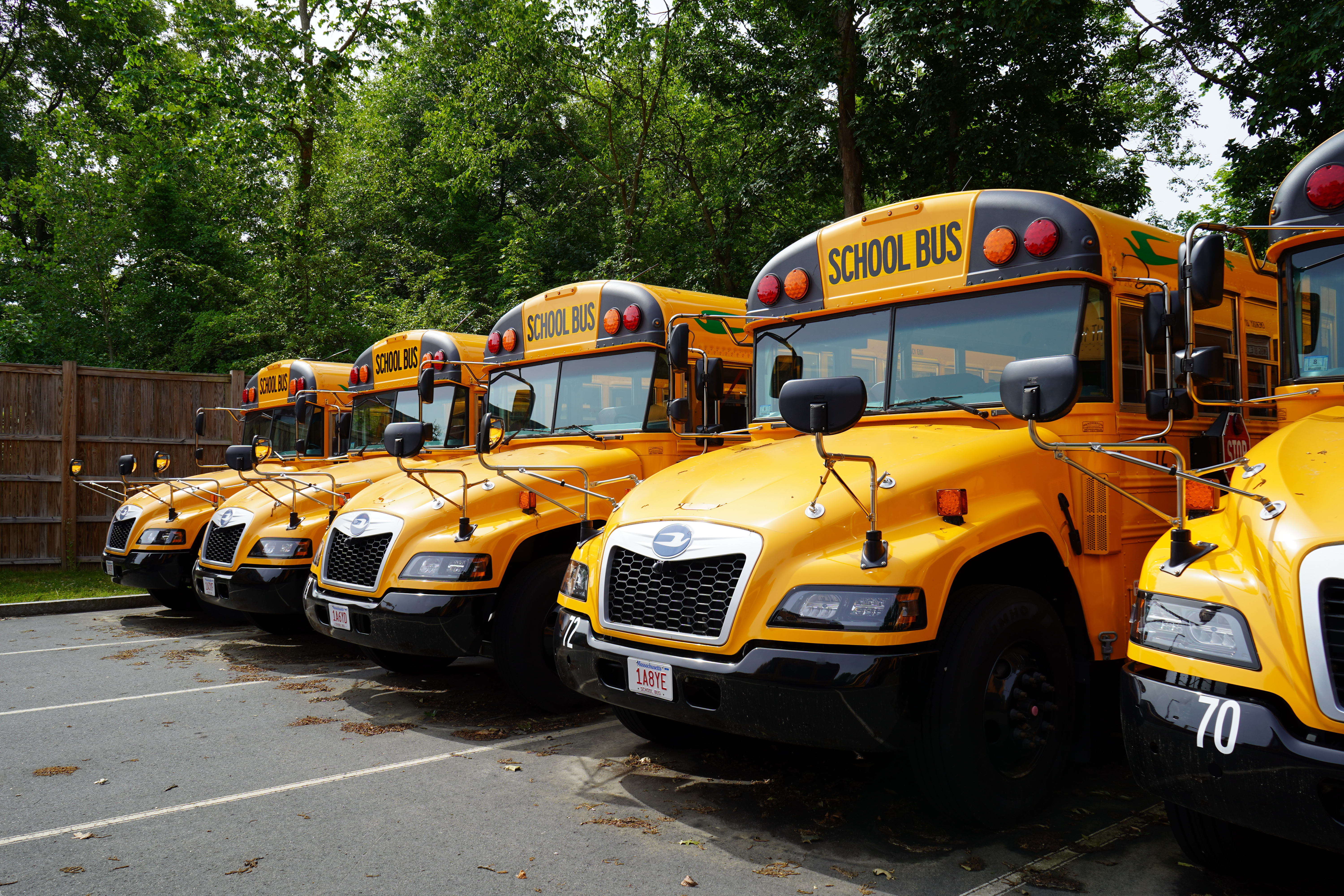
Clean energy improvements aren’t limited to the school building itself. For many students, the school day begins and ends aboard a school bus. Massachusetts currently has more than 8,000 school buses serving approximately 400,000 students, creating another opportunity to reduce pollution.
Making the transition to electric buses, however, can be a complex process for school districts, requiring decisions around vehicles, charging infrastructure, routes, and long-term fleet planning. MassCEC’s Electric School Bus Program is helping make that transition easier by providing funding, planning, and technical assistance.
In 2026, the Healey-Driscoll administration provided $12 million in funding for six school districts, including Belmont, Boston, and Chicopee, to add electric school buses to their fleets.
What does this mean for everyone? For students, electric buses can mean quieter rides and less exposure to harmful diesel exhaust. Electric buses can also help reduce local air pollution around schools and in surrounding communities. Electric buses can also offer fuel and maintenance savings, depending on factors such as electricity rates, charging strategies, vehicle use, and fleet operations.
School bus fleets can also play another role through managed charging and vehicle-to-grid technologies, allowing parked buses to become part of a more flexible energy system.
Connecting Today’s Students With Tomorrow’s Jobs
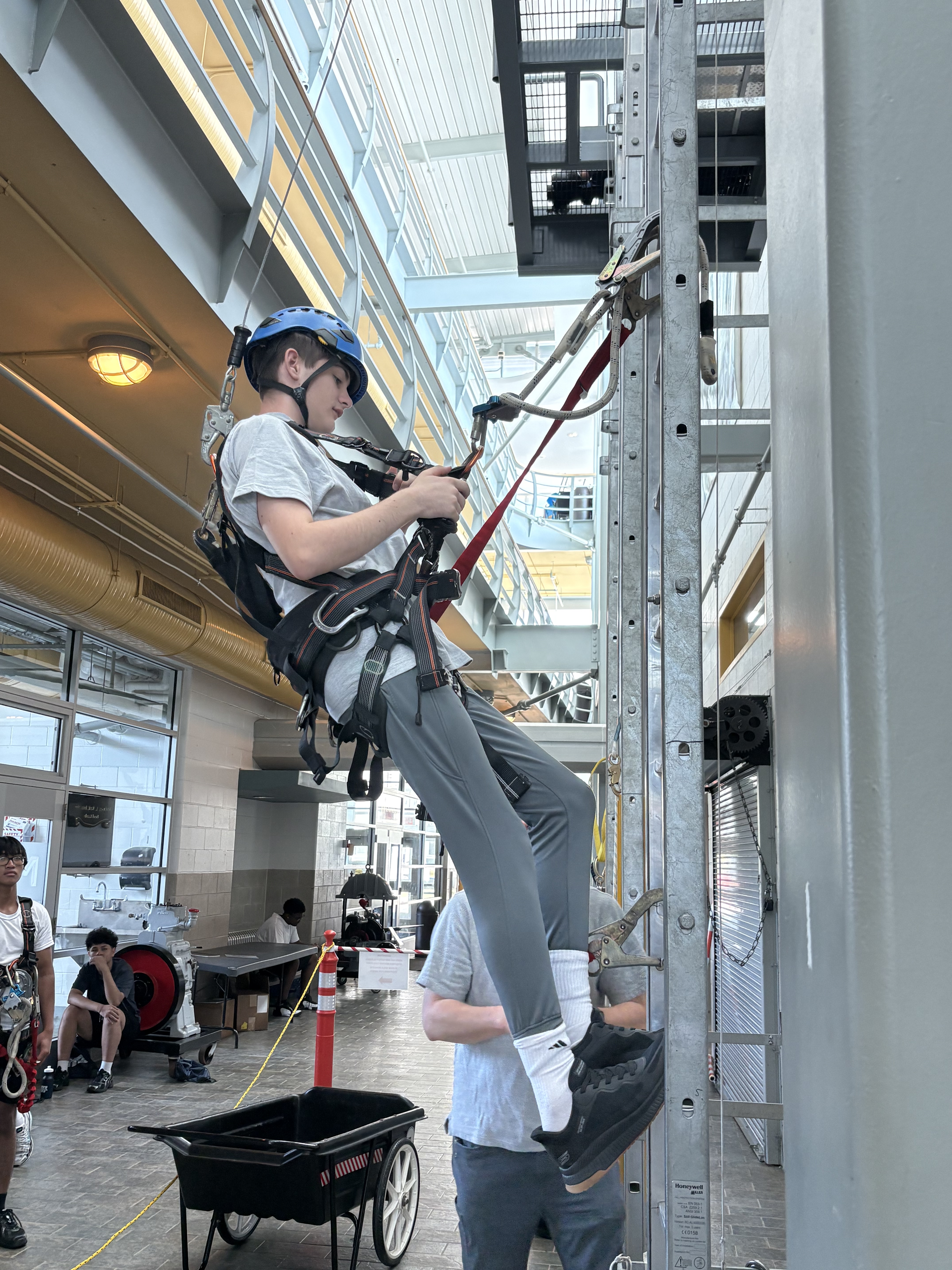
Modernizing buildings and transportation requires much more than new equipment. It also requires people who know how to install, operate, repair, and improve it. That creates a direct connection between the clean energy investments happening in Massachusetts communities today, and the career opportunities students may pursue tomorrow.
The need is significant. MassCEC’s clean energy workforce research estimates that Massachusetts will need more than 38,000 additional clean energy workers by 2030 to keep the state’s clean energy transition on track.
Those jobs span far more than engineering and science. Electricians, HVAC and heat pump technicians, energy efficiency assessors, and building operations specialists will be needed to improve the performance of buildings. Electric vehicle and charging technicians will support cleaner transportation, while solar installers, energy storage specialists, and offshore wind technicians will help build and maintain other parts of the state’s energy infrastructure.
There are also opportunities in manufacturing, supply chains, project management, business, policy, and community engagement. In other words, many of the systems students encounter at school today can provide a real-world introduction to the kinds of technologies and occupations that will shape the state’s economy in the years ahead.
Workforce development programs can help make that connection more tangible by giving students and young adults opportunities to gain experience in the clean energy sector. MassCEC helps connect students and job seekers to clean energy careers through programs like its Clean Energy Internship Program and Clean Energy Careers Training & Education resource, which provide opportunities to gain hands-on experience and explore education, training, and career pathways.
Investing in the Places Where Students Learn
Taken together, these investments show how the clean energy transition can deliver benefits that extend well beyond reducing pollution. School building upgrades can create healthier, more comfortable learning environments while supporting the workers who design, install, and maintain new systems. Electric school buses can reduce diesel pollution while building demand for new infrastructure and technical expertise. And workforce programs can help prepare students to take part in the industries growing around them.
For students, that means experiencing the clean energy transition in tangible ways — through the classrooms where they learn, the transportation they rely on, and the career opportunities taking shape around them. As these investments continue, schools can become more than places where students learn about the future; they can become places where they experience it firsthand.