
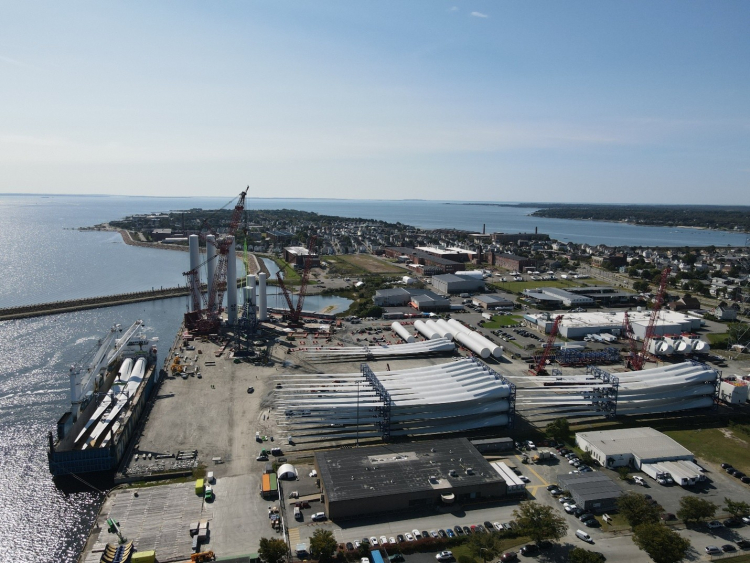
New Bedford Ocean Cluster (NBOC), a first-round Ocean Innovation Network (OIN) grantee, is advancing New Bedford’s blue economy by growing the region’s ocean technology industry. NBOC supports business development and convenes stakeholders through partnerships, promotion of regional assets, and business-to-business events and services.
With support from the Massachusetts Clean Energy Center’ OIN program, NBOC is expanding startup support in the Port of New Bedford by renovating the area’s enterprise hub and incubator space, providing equipment, and streamlining access to test sites.
Executive Director Jennifer Downing discussed NBOC’s upcoming projects and how OIN is accelerating their impact.
Read the interview below.
MassCEC: Can you tell us a little about your organization and mission?
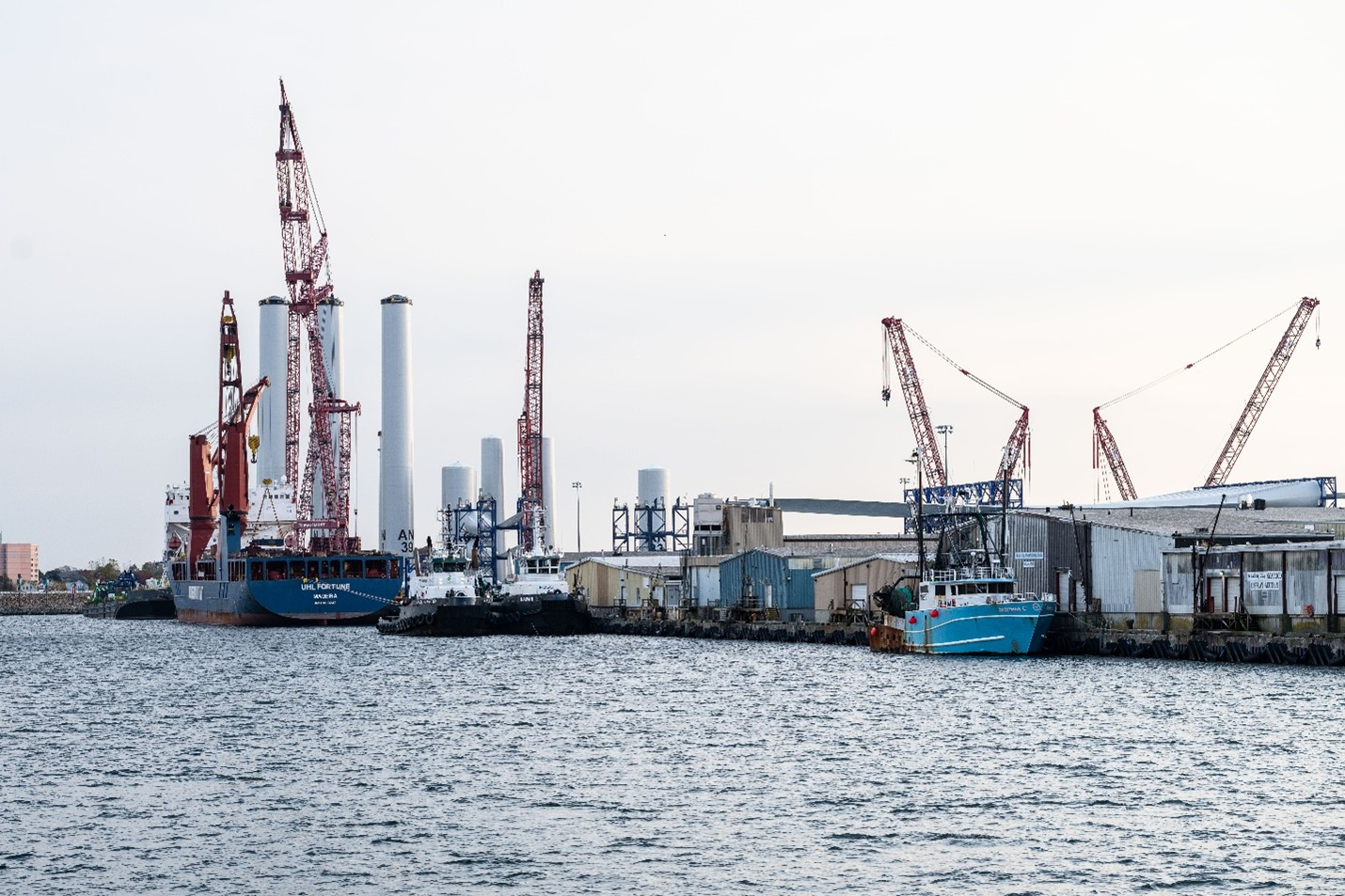
Jennifer Downing: NBOC is a nonprofit, marine industry association created to expand the blue economy in the Port of New Bedford and surrounding region. NBOC launched in early 2021 as an outgrowth of the New Bedford Port Authority and New Bedford Economic Development Council to expand the city’s business development resources for maritime sectors and to integrate our traditional port industries with new markets like offshore wind and marine technology.
MassCEC: How will MassCEC funding be used for your current project, and who will the project serve?
Downing: Our project is a collaboration between the NBOC, New Bedford Economic Development Council (NBEDC) and New Bedford Research & Robotics (NBRR) to support the needs of ocean technology companies as they work to commercialize and bring their innovations to market. First, we are partnering with the NBEDC to completely renovate The Quest: New Bedford’s Enterprise Hub. Particularly relevant to the goals of the Ocean Innovation Network, the renovation includes enhanced convening space for industry conferences and networking events to create opportunities for startups to connect with other companies and investors and gain exposure. Technology startups require access to maker spaces and prototyping facilities to support their innovations. Our project is equipping NBRR with new Computer Numerical Control (CNC) equipment so ocean technology startups can efficiently produce precision components for rapid testing and manufacturing.
Finally, the NBOC will launch a Navigator Services Program to streamline access to test sites, vessels, partners, and other support services, and will be administering a Scholarship Fund in partnership with MassCEC to alleviate the financial burdens faced by early-stage companies. Scholarships will partially subsidize testing, vessels, and other services again, to make the path to commercialization a bit easier for young companies.
We are also excited to be supporting another OIN-funded project led by Woods Hole Oceanographic Institution (WHOI). WHOI will be boosting the state’s ocean test site capacity by developing two sites in the Port of New Bedford – a mobile dockside access point and nearshore buoy area to support marine technology development. All these efforts are aligned by design to both increase the capacity of our innovation ecosystem in and around New Bedford and meet the evolving needs of startups.
MassCEC: What impact do you hope to see in the next year (or beyond)?
Downing: In the next year, our goal is to get these new projects off the ground and develop the operating procedures, partnerships, and controls so we can successfully attract and support startups who come to the Port of New Bedford to launch and grow their business. With The Quest renovations complete in 2026, we will be working closely with the NBEDC to activate the third floor, “Quest Blue,” and launch its incubator program.
By the end of year one, I hope most of our available office suites are full of companies and we have created a regular cadence of industry events to support networking and a lively, productive atmosphere. At NBOC, we will be hiring a new Navigator Services Manager early in 2026 and plan to have our new progam launched and supporting startups by the end of the year. Finally, we are excited to begin offering startups scholarships and access to new test sites in partnership with WHOI.
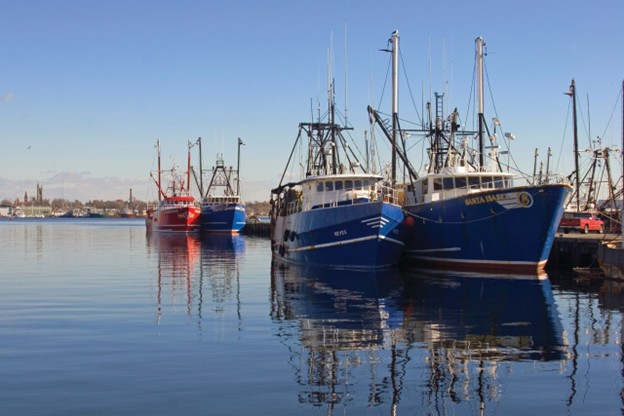
Ultimately, we want to see more businesses not just coming to New Bedford and utilizing the many resources of the port but also bringing their innovations to market. For the NBOC, this also means integrating more technology into our pillar industries. For example, we see enormous potential in exposing our commercial fishing industry to new technologies that help them to optimize catch and make operations more efficient.
MassCEC: Why is this work important for Massachusetts?
Downing: Providing a range of support services for ocean technology startups is crucial for strengthening and enhancing the competitiveness of both the state’s economy and that of local communities like New Bedford. Massachusetts has a rich maritime heritage, and our coastal location puts us in a unique strategic position to drive advancements in fishing, offshore energy, and ocean conservation.
By fostering a diverse network of support services throughout the state via MassCEC’s OIN investments, we are prioritizing technology development and ensuring companies can be successful, create jobs, attract investment, and stimulate growth across ocean sectors. Additionally, as New Bedford expands from traditional maritime industries to a more diversified port economy, investing in ocean technology can not only revitalize the local workforce but also position the region as a leader in marine innovation.
By funding organizations like NBOC, the Ocean Innovation Network is expanding the innovation ecosystem across Massachusetts. This work supports the development of groundbreaking ocean technologies, strengthening marine ecosystems and the Commonwealth’s blue economy. Visit the Ocean Innovation Network page to learn more.