
Introducing Energía Verde Eastie
Leading by example is one of the most powerful ways to inspire action, and Eastie Farm is doing just that. Located in East Boston, this organization is bringing clean energy to life with its zero-emission geothermal greenhouse, the first of its kind in Massachusetts. With the support of a $150,000 EmPower Massachusetts Implementation Grant, Eastie Farm launched Energía Verde Eastie, a bilingual (English-Spanish) education campaign that helps residents understand and adopt renewable energy solutions.
Eastie Farm’s Journey
Eastie Farm began in 2015 after neighbors transformed an abandoned lot on Sumner Street into a shared space for growing food and building community. Today, this minority and woman-led grassroots organization operates seven growing sites in East Boston, a majority-immigrant Environmental Justice (EJ) community. Environmental justice is the idea that all people deserve equal protection from environmental harms and equitable access to a healthy environment, regardless of race, color, national origin, income, or English language proficiency, and the EJ designation is used to identify neighborhoods that often face disproportionate environmental and public health burdens. Rooted in climate action and community care, Eastie Farm’s mission is to advance climate justice, food security, and community resilience through urban agriculture, education, and equitable food systems.
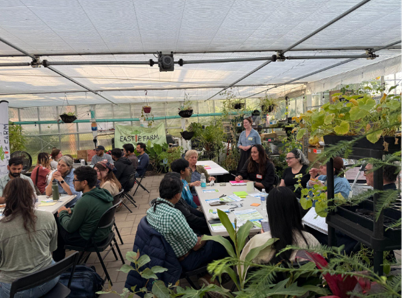
Eastie Farm offers programs that address immediate community needs, such as free food distributions and CSA (community-supported agriculture) shares, alongside initiatives focused on building long-term resilience, like youth green job training and hands-on environmental education. By leading with food access, Eastie Farm meets people where they are, building trust and relationships that open the door for deeper learning and engagement. The food grown in their geothermal greenhouse then becomes a natural launching point for discussions about clean energy.
The organization’s spaces invite residents to grow food together, enjoy nature, and learn about sustainable practices such as rainwater conservation and food waste reduction. Eastie Farm’s continued commitment to their community and the environment paved the way for their next endeavor: helping East Boston residents understand and access clean energy solutions through Energía Verde Eastie.
Energía Verde Eastie in Action
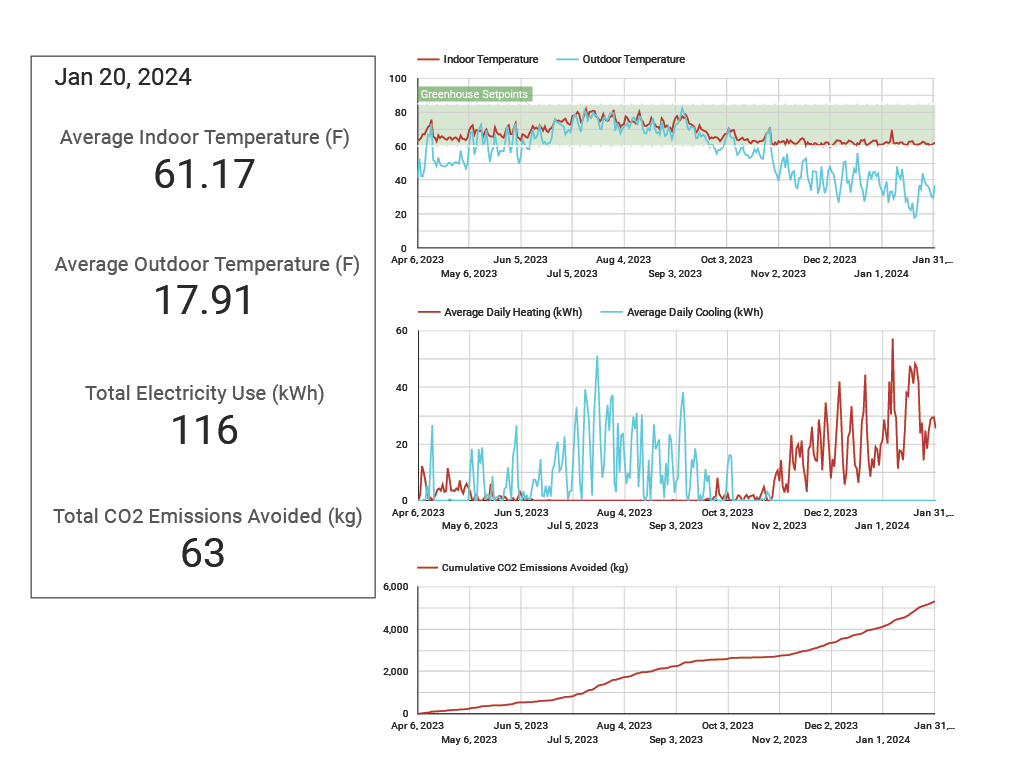
With funding from MassCEC’s EmPower Implementation Grant, Eastie Farm launched Energía Verde Eastie, a bilingual (English-Spanish) clean energy education initiative to make renewable energy technologies accessible and relevant to residents. The project centered on their zero-emission geothermal greenhouse—heated and cooled by three 455 foot geothermal wells and powered by 100% renewable electricity through the City of Boston’s Community Choice Electricity (BCCE) program—as a living example of the clean energy future that Eastie Farm seeks to promote.
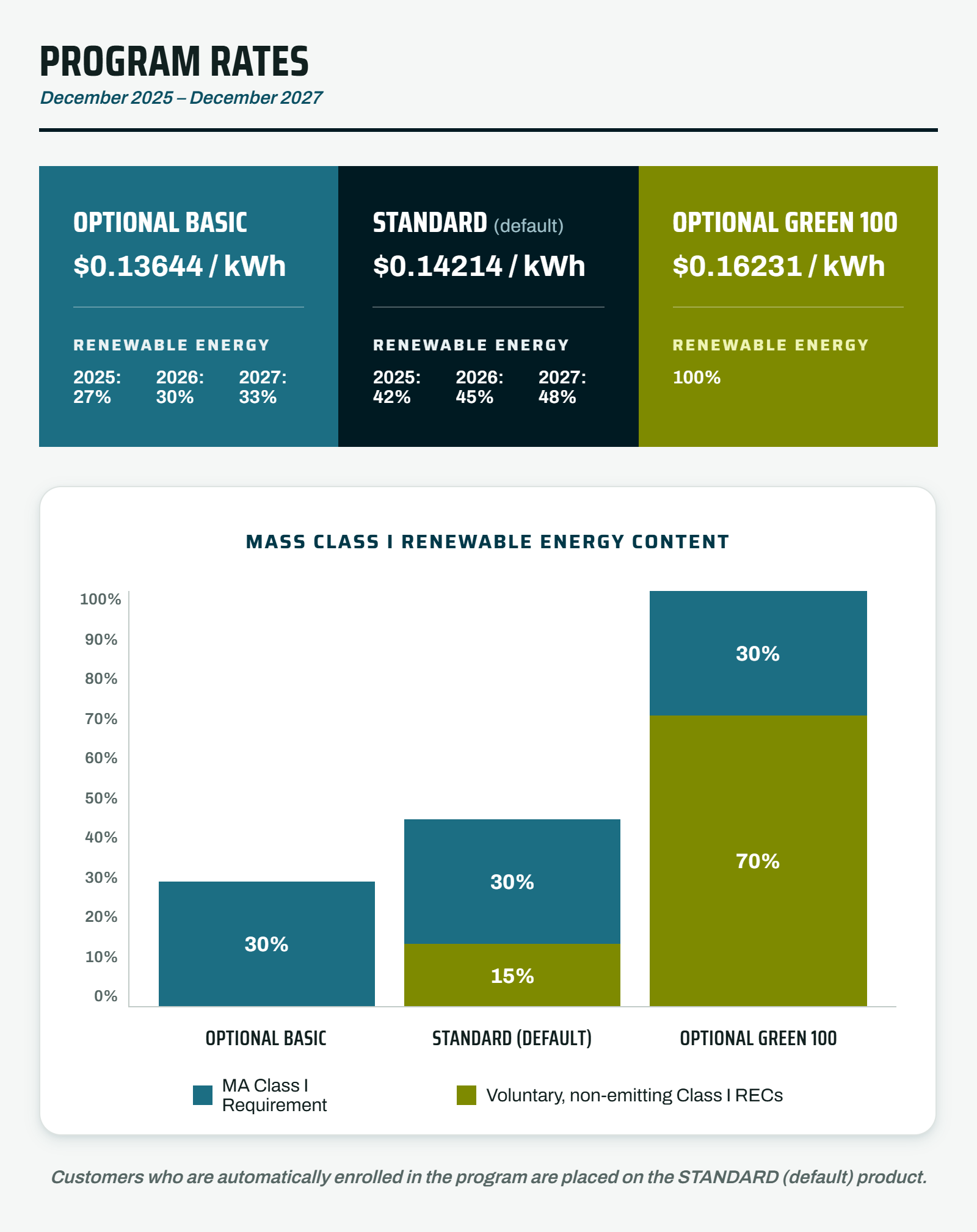
As a part of this work, Eastie Farm educated residents about BCCE, a municipal aggregation program that allows the City of Boston to secure electricity on behalf of residents and small businesses, providing competitive rates and increasing access to renewable energy. BCCE offers three electricity supply options: Optional Basic, Standard, and Optional Green 100. The options vary in cost and renewable energy content, allowing customers to select what best meets their needs and priorities.
Eastie Farm’s education and awareness efforts around BCCE helped many eligible folks enroll who were not previously aware of the program. This highlights the important role of community-based organizations in connecting community members with citywide initiatives such as municipal aggregation.
Eastie Farm also provided community and school tours of the greenhouse, developed interactive signage, and created web-based demonstrations to educate visitors on geothermal systems, rainwater collection, and heat retention techniques.
The initiative produced bilingual educational materials and promoted related clean energy solutions, including solar PV, induction cooking, and energy efficiency programs. By combining hands-on learning with outreach, Eastie Farm empowered residents to adopt clean energy technologies and participate in city and state climate programs.
Community Impact
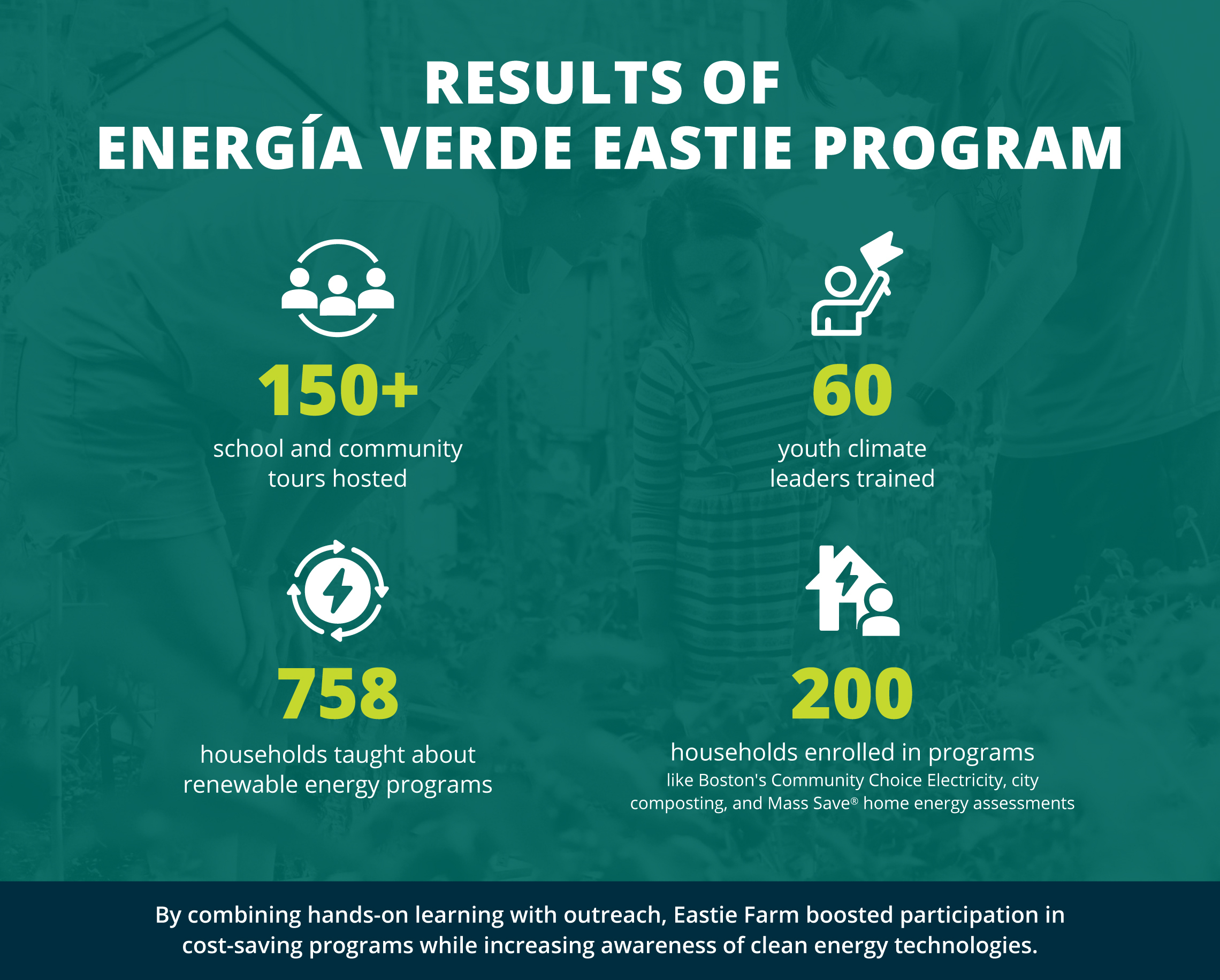
Over the course of the project, Eastie Farm hosted more than 150 school and community tours, taught 758 households about renewable energy programs, and trained 60 youth climate leaders. The initiative also helped around 200 households enroll in programs like Boston’s 100% green Community Choice Electricity, city composting, and Mass Save® home energy audits.
The impact of these tours is evident, as Executive Director Kannan Thiruvengadam explains:
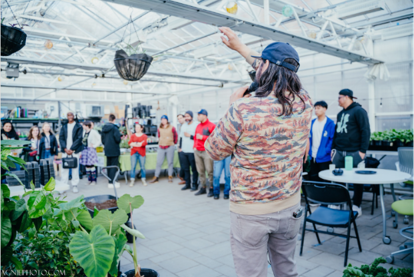
“I have been stopped on the street by a variety of folks, ranging from regular residents to youth to people on grant review committees for local foundations, about what they learned during a visit to our greenhouse. Often it's about how impressive one of our youth was in explaining things and giving them a tour and perhaps a mulberry or cucumelon to taste, but then it gets into how they didn't realize the greenhouse was powered by geothermal and now they know, and/or how they didn't know our city has a 100% green electricity option, etc. So, it's awareness and excitement, that's where it begins.”
Beyond tours, Eastie Farm reached thousands more through school visits, community presentations, and partnerships with local organizations. Their work is sparking conversations about energy efficiency and climate action across East Boston and beyond.
Lessons Learned
Delivering clean energy education in a diverse community like East Boston means navigating language barriers, cultural differences, and varied economic and educational backgrounds. Eastie Farm has found that hands-on experiences like touring their geothermal greenhouse are essential for making clean energy concepts accessible. Further, they’ve observed that combining clean energy content into events with other activities (such as food, art, community building exercises, etc.) increases attendance at events and interest in the topic.
They also found that youth are powerful messengers, often influencing their families to adopt sustainable habits like reducing car idling. To reach more residents, the team looks to complement in-person engagement with digital tools such as videos and social media content that make renewable energy concepts easier to digest and more widely shareable.
What’s Next for Eastie Farm?
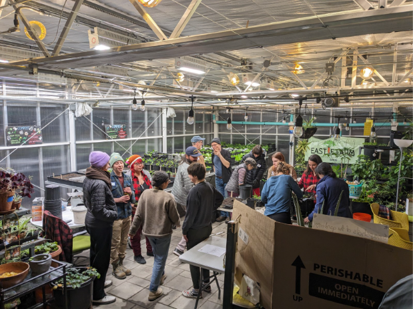
Eastie Farm was recently awarded a second EmPower Implementation Grant to launch Energía Verde Eastie 2.0. This expanded effort will focus on turning education and awareness into action by prioritizing resident enrollment in clean energy programs. The team is eager to continue community outreach and greenhouse tours, organize studies on the efficiency of their geothermal greenhouse, create guidelines for homeowners and renters on clean energy offerings available to them, participate in government initiatives and meetings, and create a calendar to share clean energy and environmentally-focused events with the community.
Energía Verde Eastie proves that clean energy education can be practical, inclusive, and inspiring. By pairing education with empowerment, Eastie Farm is ensuring that those most impacted by climate change can benefit from and help shape Massachusetts’ clean energy future.
Visions for the Future
Eastie Farm would love to create a collaborative co-learning space and teaching kitchen powered by clean energy and designed to reduce embodied carbon. They envision offering consulting services to help other groups navigate clean energy adoption, drawing on lessons learned from their own geothermal greenhouse project. Future plans also include powering new operations, like container farms, with renewable energy.