
Advancing clean energy innovation in Central Massachusetts and beyond through research, workforce development, and interdisciplinary leadership
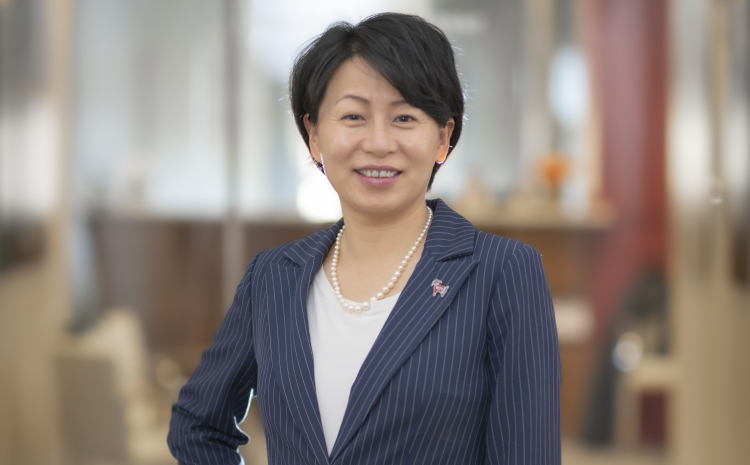
Since becoming president of Worcester Polytechnic Institute in 2023, Dr. Grace Wang has brought a systems-driven approach to innovation, research, and economic development that aligns closely with Massachusetts’ clean energy future. A nationally recognized leader in STEM education, technology commercialization, and public-sector research, Wang joined the board of the Mass Clean Energy Center in 2025, helping guide the state’s strategy for clean energy growth and climate innovation.
Over the course of her career, Wang has held senior leadership positions at the National Science Foundation, the State University of New York, The Ohio State University, and began her career at IBM/Hitachi Global Storage Technologies. She also serves on several national and state advisory boards, including the National Quantum Initiative Advisory Committee, and Governor Maura Healey’s AI Task Force and STEM Council.
For Wang, the future of clean energy is inseparable from the future of technology, workforce development, and economic competitiveness. Her work across academia, government, and industry has consistently focused on how innovation ecosystems can address society’s most pressing challenges, including sustainability, energy demand, and climate resilience.
Engineering Solutions for a Changing Energy Landscape
An engineer by training, Wang’s background in materials science and engineering continues to shape her perspective on energy innovation and sustainability.
“I’m always interested in energy, all forms of energy, and particularly related to the sustainability side of energy,” she said.
Throughout her career, Wang has studied how emerging technologies intersect with long-term energy needs. During her time at the National Science Foundation, she participated in early discussions about the future energy demands of data infrastructure, conversations that now sit at the center of national clean energy debates.
“Long, ago, we were already talking about what we would do if data increased exponentially or explosively, and what the energy consumption of data centers would be,” she said. “And today, that’s very much front and center.”
Wang believes the rapid growth of computing and artificial intelligence requires policymakers, researchers, and industry leaders to fundamentally rethink how energy is produced and consumed.
“Decades ago, this was not a problem,” she explained. “The data center energy consumption was a very small percentage of the energy usage. … I think we need to seriously look at the future of the energy transition in a few ways: exactly how we do computing, why it consumes so much energy, how we transmit data, and where this energy will come from.”
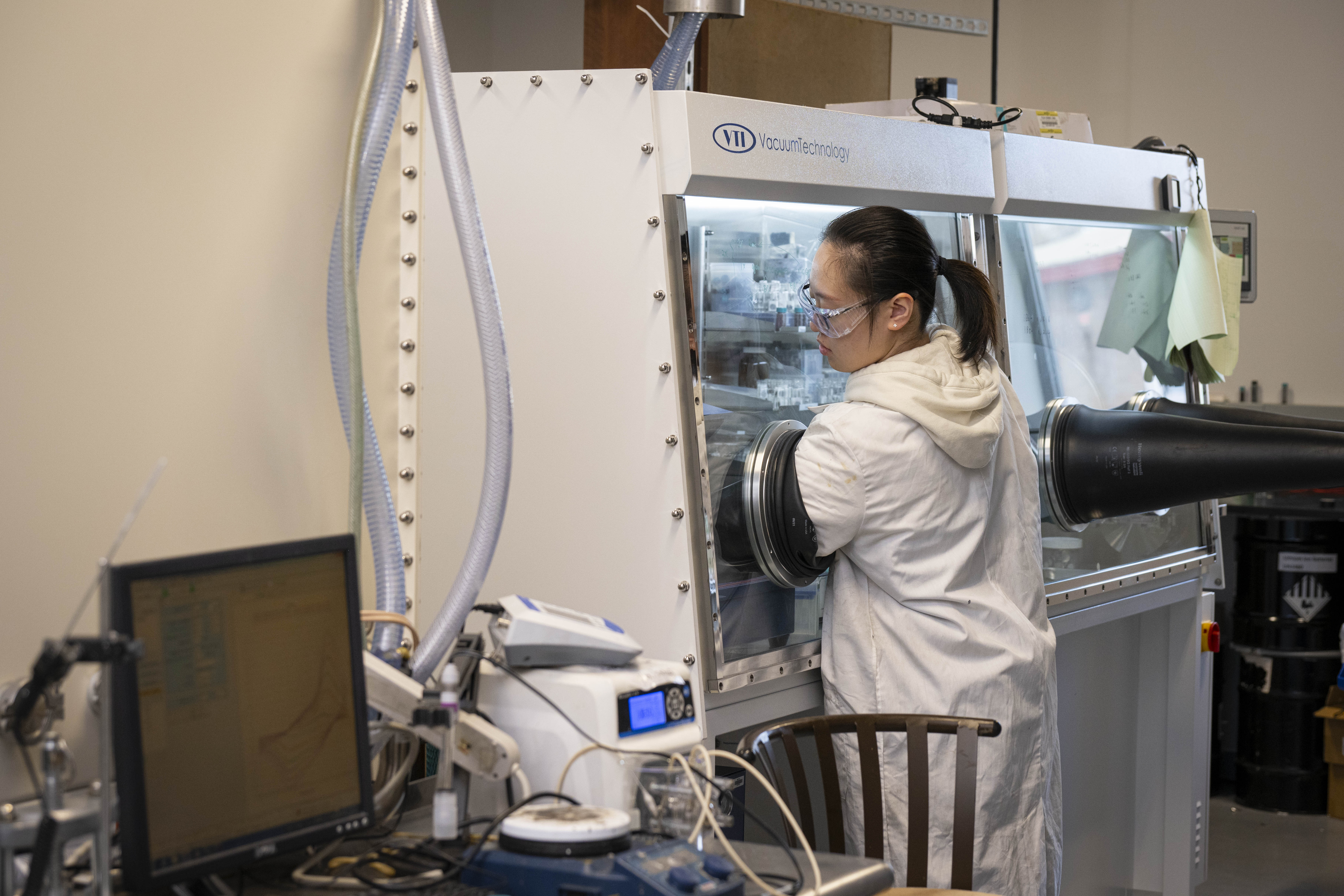
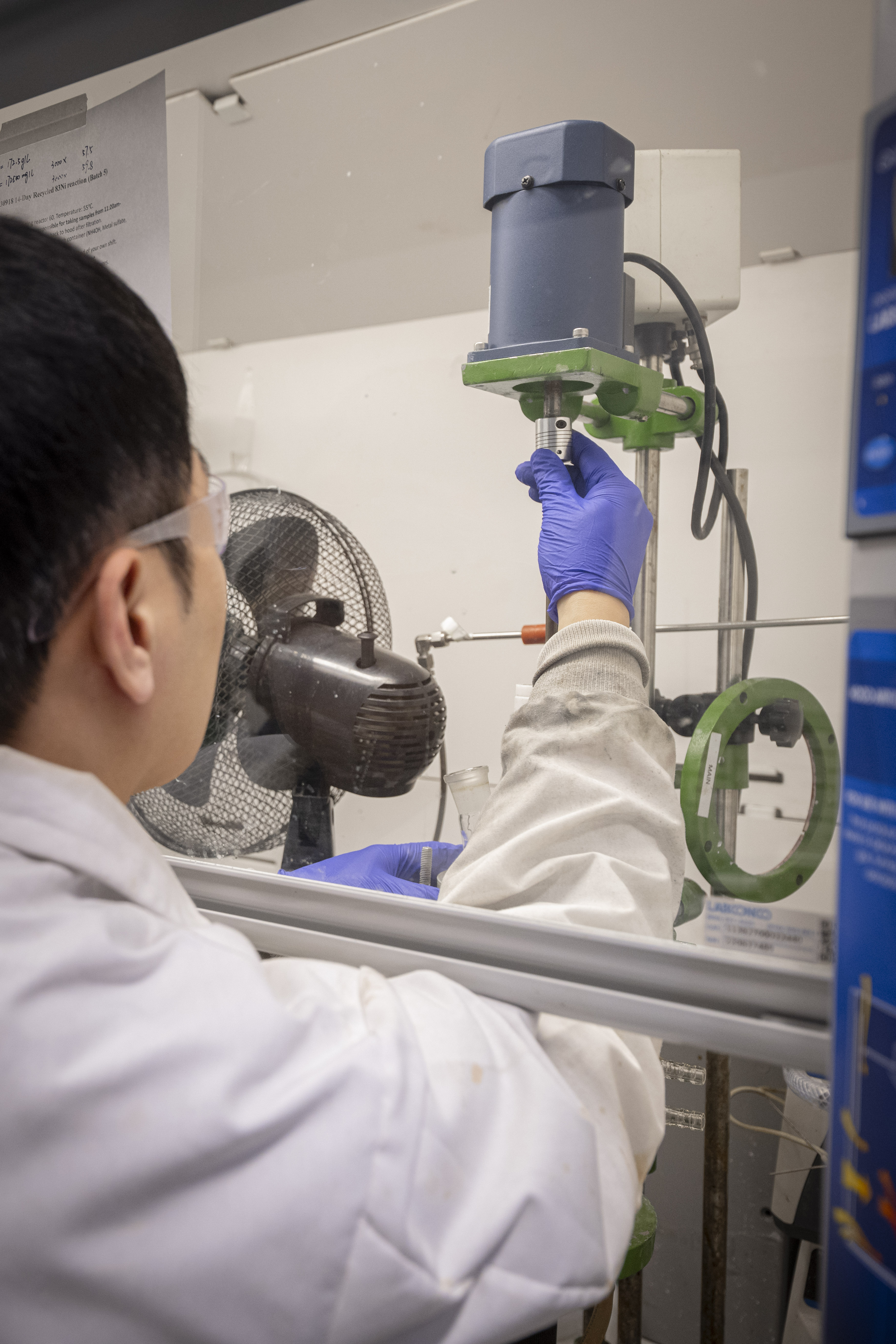
At WPI, Wang has continued advancing research initiatives tied directly to climate technologies and sustainable infrastructure. The university has emerged as a leader in lithium-ion battery recycling, regeneration, and reuse work that supports both environmental sustainability and economic development.
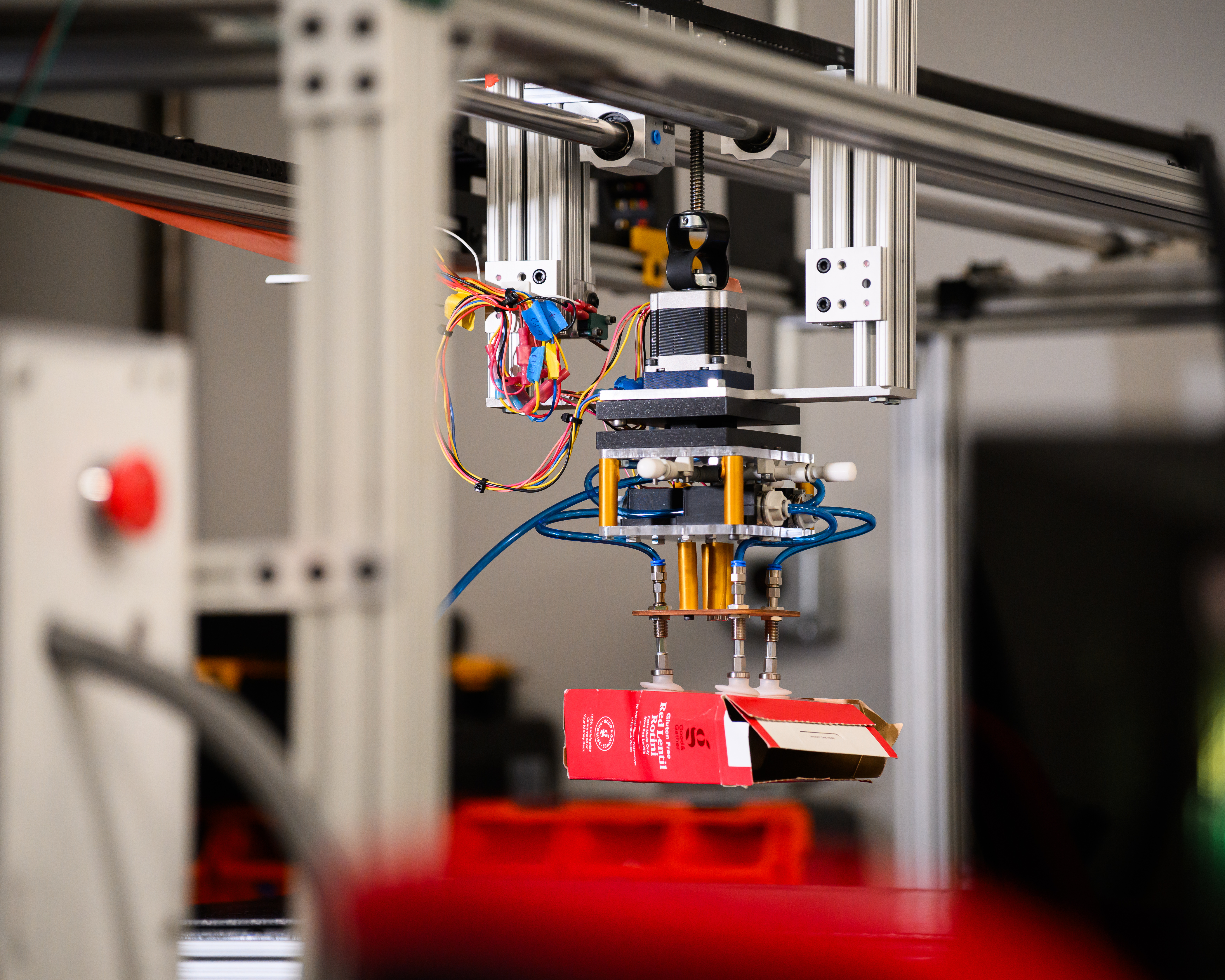
Researchers at WPI are also exploring technologies aimed at cutting pollution in traditionally carbon-intensive industries. One example involves enzyme-assisted cement healing, which could help repair cracked concrete while reducing the need for additional cement production — a major source of global carbon emissions.
“There are a lot of ways to think about technologies in terms of how to recover critical minerals and materials,” Wang said. “Food, water, energy—they are deeply interconnected with each other, and they are fundamental to any society and certainly fundamental to economic development here in Massachusetts.”
A Catalyst for Massachusetts’ Clean Energy Ecosystem
As a board member of Mass Clean Energy Center, Wang sees enormous opportunity for Massachusetts, including Worcester and Central Mass., to strengthen its position as a global hub for climate technology innovation.
“Mass Clean Energy Center is a remarkable organization,” she said. “The very fact that Mass Clean Energy Center focuses on energy and economic development, innovation, and entrepreneurship makes it a catalyst for Massachusetts to build a climate technology and clean energy innovation ecosystem.”
Wang believes innovation ecosystems succeed when they reach critical mass, bringing together technologies, startups, talent, research institutions, and public investment in ways that accelerate growth.
“Whether it's Silicon Valley, the Research Triangle in North Carolina, or another innovation hub, success comes from building a critical mass,” she said. “Once you reach that critical point, growth begins to accelerate exponentially.”
Her perspective reflects Mass Clean Energy Center’s broader mission of supporting not only clean energy technologies, but also the workforce and entrepreneurial infrastructure needed to scale them successfully. Wang points to the organization’s holistic approach as one of the its defining strengths.
“Mass Clean Energy Center combines research, innovation, workforce, and entrepreneurship, putting them all together,” she said. “They understand that the workforce has many layers and many scales of need.”
That comprehensive approach, she argues, is essential to long-term success in the clean energy transition.
Leading with a Systems-Level Perspective
Wang approaches leadership in climate and energy innovation with a focus on interconnected systems rather than isolated technologies. In her view, policy, workforce development, economic adoption, and innovation must evolve simultaneously.
“One of the issues throughout the many decades of new energy innovation is that talent is often an afterthought,” she said. “We work on something and then after a few years say, ‘Oops, we need people.’ That cannot be.”
Instead, Wang advocates for proactive investment in talent pipelines across every level of the clean energy economy, from technicians and operators to scientists, engineers, and entrepreneurs.
“A forward-thinking approach to workforce development at all levels is critical,” she said. “The green economy is only going to grow.”
She also emphasizes that clean energy technologies must be practical, scalable, and publicly accessible in order to achieve meaningful impact.
“We need to be sure it’s cost effective. We also need to be sure it’s scalable,” Wang said. “We also need to be sure our energy solutions will actually be adapted by the general public.”
For Wang, energy innovation is not solely about technology advancement; it is also about societal resilience and long-term economic opportunity.
“The energy question is not only an economic development question,” she said. “It is also a question that’s critical to any society today.”
Building the Next Generation of Climatetech Leaders
At WPI, Wang sees higher education playing a central role in preparing students to tackle the interdisciplinary challenges of climate technology and clean energy.
“Energy and climate technology are intrinsically highly interdisciplinary,” she said. “Our students are not learning in silos.”
WPI’s project-based learning model immerses students in real-world problem solving alongside faculty, startups, industry partners, and government agencies. Through those collaborations, the university has helped commercialize technologies, support startup growth, and strengthen the region’s climate innovation ecosystem.
“We are building an ecosystem,” Wang said. “Not only are we providing the talent in climate technologies and the green economy, but we are also building an innovation and entrepreneurial ecosystem for our partners locally and regionally to leverage WPI as a technology hub.”
She points to Central Massachusetts as an increasingly important center for climate technology growth, supported by universities, community colleges, public institutions, startups, and advanced manufacturing companies. As Massachusetts continues investing in clean energy and climate innovation, Wang believes collaboration across sectors will be critical to sustaining momentum.
Learn more about Mass Clean Energy Center’s Board of Directors and the leaders helping guide Massachusetts’ innovation economy and clean energy future.