
For many Massachusetts residents, staying cool during the summer can feel like a tradeoff between comfort and cost as using more energy means higher monthly bills. As temperatures rise and heat waves become more frequent, that challenge is becoming more common. But in reality, staying comfortable in hot weather doesn’t have to come at the expense of affordability or energy reliability.
Across the state, a combination of practical strategies and ongoing climate innovation is making it easier to stay cool while using energy more efficiently. From changes at home to advances in cooling technology, grid management, and clean energy systems, these solutions are helping households reduce costs, improve comfort, and ease pressure on the grid during peak demand.
What makes this possible is not a single solution, but a coordinated effort to improve how energy is used and delivered, especially during the hottest days of the year. The Mass Clean Energy Center plays a key role in this work by supporting technologies and programs that improve efficiency, strengthen the electric grid, and expand access to clean energy solutions. Together, these efforts help ensure that residents can stay comfortable while power remains dependable and affordable.
Start with Efficiency at Home
One of the most straightforward ways to stay cool during the summer is to prevent heat from entering the home in the first place. Improving energy efficiency can reduce the need for constant air conditioning while also lowering monthly energy bills.
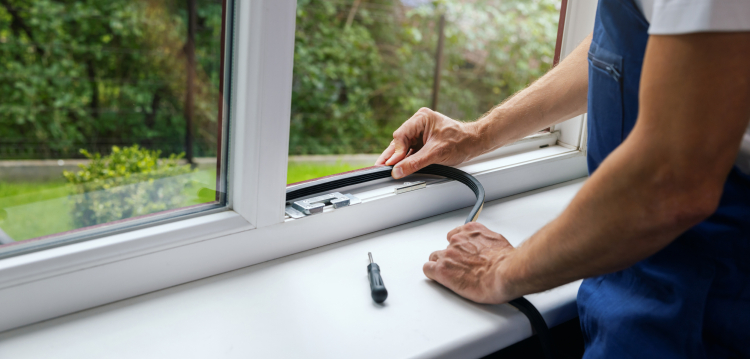
Small actions can make a noticeable difference. Closing blinds or curtains during the hottest parts of the day helps block direct sunlight and keeps indoor temperatures lower. Sealing air leaks around windows and doors can prevent cool air from escaping, while adding insulation improves the home’s ability to maintain a comfortable temperature.
These improvements are especially important during periods of extreme heat, when energy demand rises across the region. Homes that use energy more efficiently place less strain on the electric grid, helping maintain reliability during peak summer conditions.
Efficiency also supports long-term affordability. By reducing unnecessary energy use, households can stay comfortable without significantly increasing electricity costs.
Upgrade to More Efficient Cooling Systems
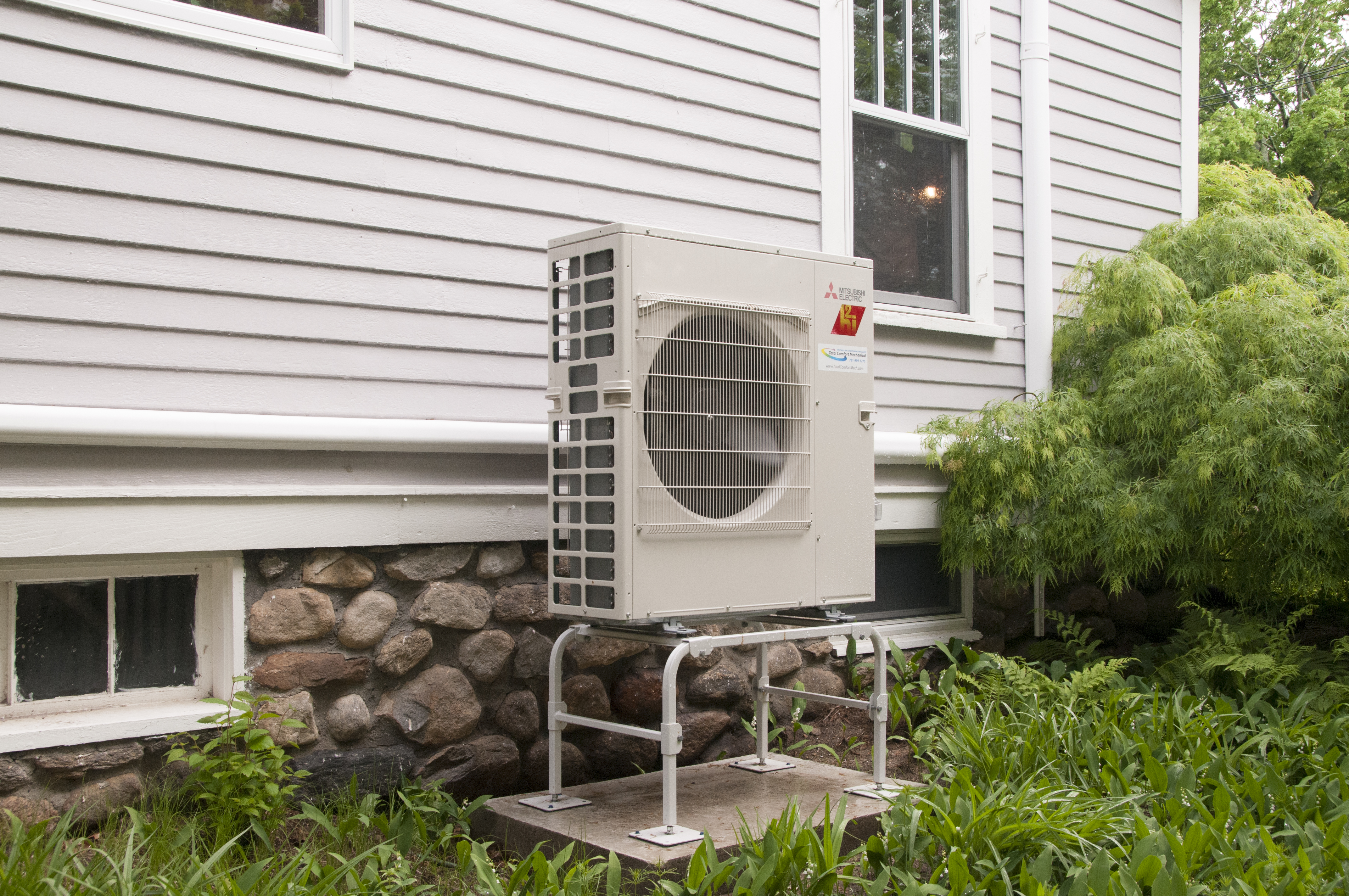
Cooling technology has improved significantly in recent years. Modern high-efficiency air conditioners and heat pumps are designed to provide better comfort while using less electricity than older systems.
Heat pumps, in particular, are becoming an increasingly popular option in Massachusetts because they provide both cooling in the summer and heating in the winter. These systems can help households reduce energy use year-round while maintaining consistent indoor comfort.
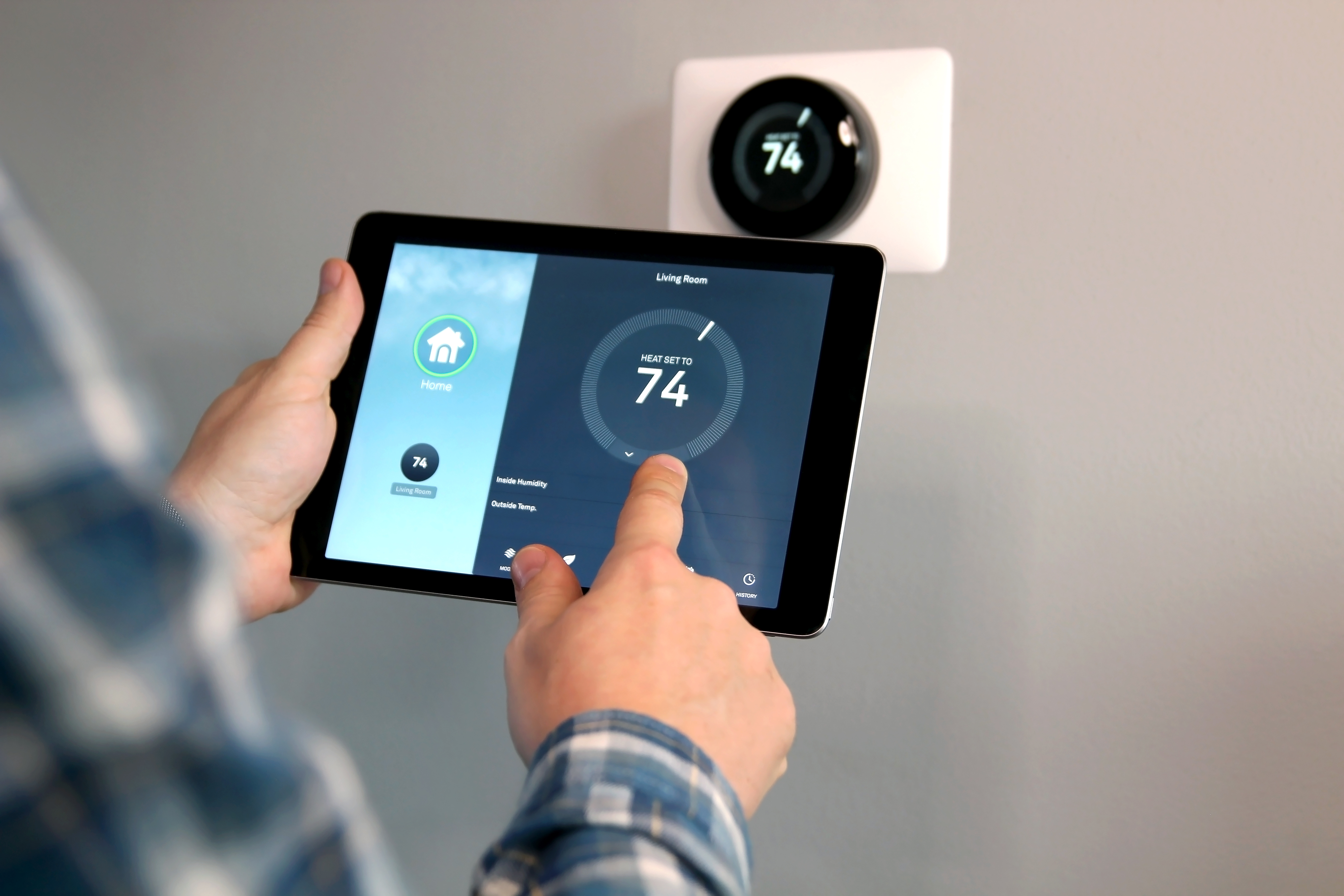
Smart thermostats and programmable controls can also improve efficiency by adjusting temperatures automatically based on schedules or occupancy. Even small adjustments, such as raising the thermostat a few degrees while away from home, can reduce energy consumption without sacrificing comfort.
Regular maintenance is another important step. Replacing air filters, cleaning vents, and scheduling seasonal service can help systems operate more effectively during periods of high demand.
Use Energy More Strategically
When energy is used can be just as important as how much is used. During the hottest summer afternoons, electricity demand often peaks as homes and businesses rely heavily on cooling systems.
Shifting some energy usage to cooler parts of the day can help reduce stress on the grid and improve overall reliability. Running dishwashers, washing machines, and dryers during the early morning or evening hours can make a difference, especially during heat waves.
Pre-cooling homes before the hottest part of the afternoon is another practical strategy. Lowering indoor temperatures earlier in the day allows cooling systems to work more efficiently later, when outdoor temperatures are at their highest.
Reducing indoor heat sources also helps. Limiting oven use, grilling outdoors, or air-drying clothes when possible can help maintain a cooler indoor environment without additional energy use.
Explore Clean Energy and Resilience Solutions
Clean energy technologies are playing a growing role in helping households stay comfortable during summer heat while managing energy costs more effectively.
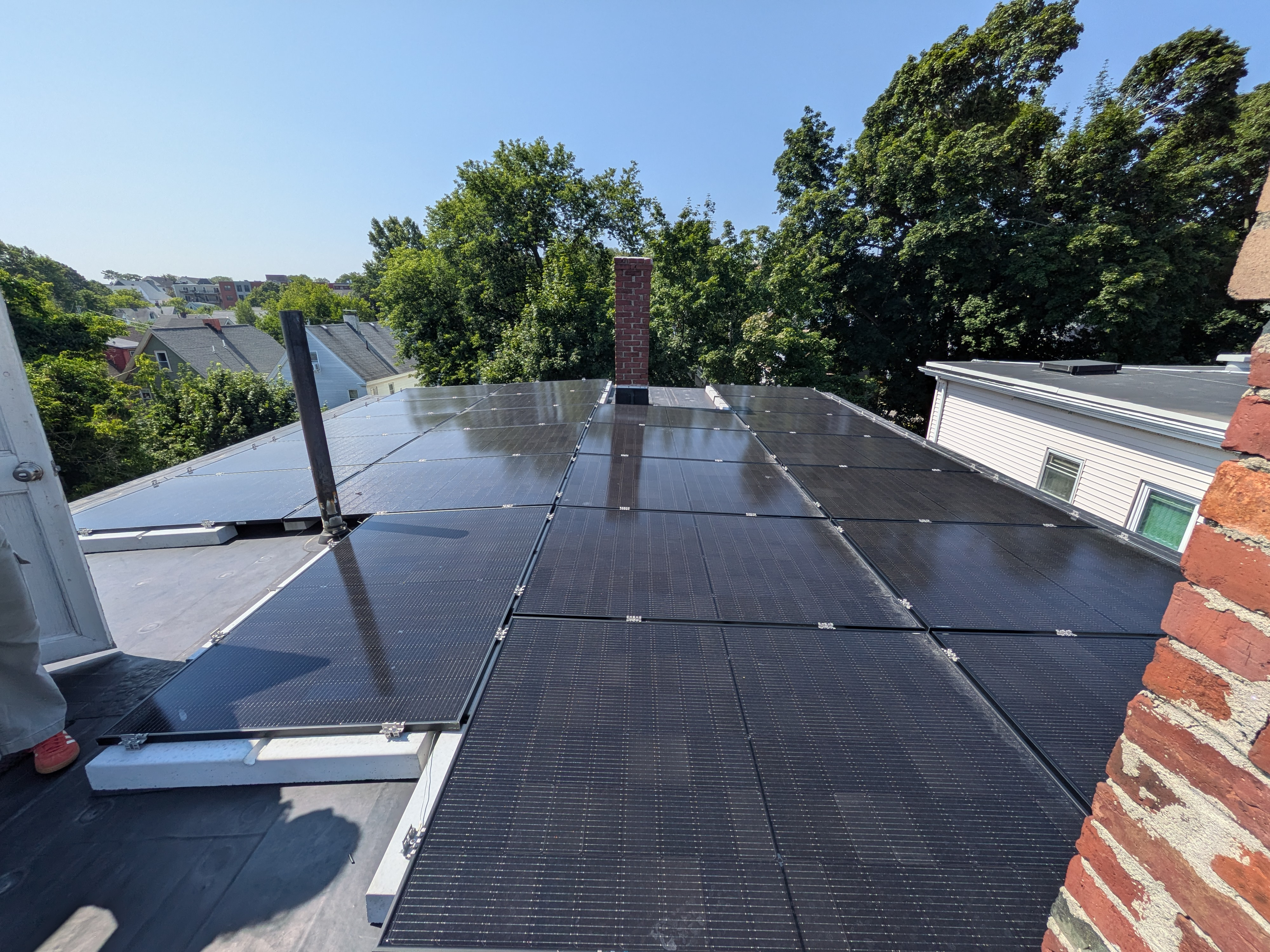
Solar energy can help offset increased electricity use during the summer months, particularly when air conditioning demand is highest. Community solar programs also provide opportunities for residents who may not be able to install rooftop panels directly on their homes.
Battery storage systems are becoming increasingly important as well. These technologies can provide backup power during outages and improve resilience during severe weather events or periods of high demand.
Investments in distributed energy resources, storage systems, and grid modernization are helping communities across Massachusetts build a more flexible and dependable energy system. These innovations not only support statewide reliability but also improve comfort and peace of mind for residents.
Building More Resilient Communities
Extreme heat affects entire communities, not just individual households. Access to cooling resources and community support can be critical during prolonged heat events.
Residents can prepare by identifying local cooling centers, libraries, or community spaces that provide air-conditioned relief during extreme temperatures. Checking on neighbors, especially older adults and vulnerable populations, is another important way communities can support one another during periods of high heat.
Public investment and innovation continue to strengthen resilience across the state. Efforts to modernize energy infrastructure, improve efficiency, and expand clean energy access are helping Massachusetts prepare for warmer summers while maintaining reliability and affordability.
Staying comfortable during the summer doesn’t have to come at the expense of higher energy bills or added strain on the grid. Small actions, taken across households and communities, can make a meaningful difference. Together, they support a larger transition already underway in Massachusetts to build an energy system that is more reliable, more affordable, and healthier for people and the planet. By making thoughtful choices at home, residents are not only improving their own comfort, but also contributing to a cleaner, more resilient future for everyone.
Learn about options that can help you save energy, lower your costs, and stay comfortable by visiting the Clean Energy Lives Here website. Subscribe to the newsletter for regular updates, resources, and opportunities for Massachusetts residents.