
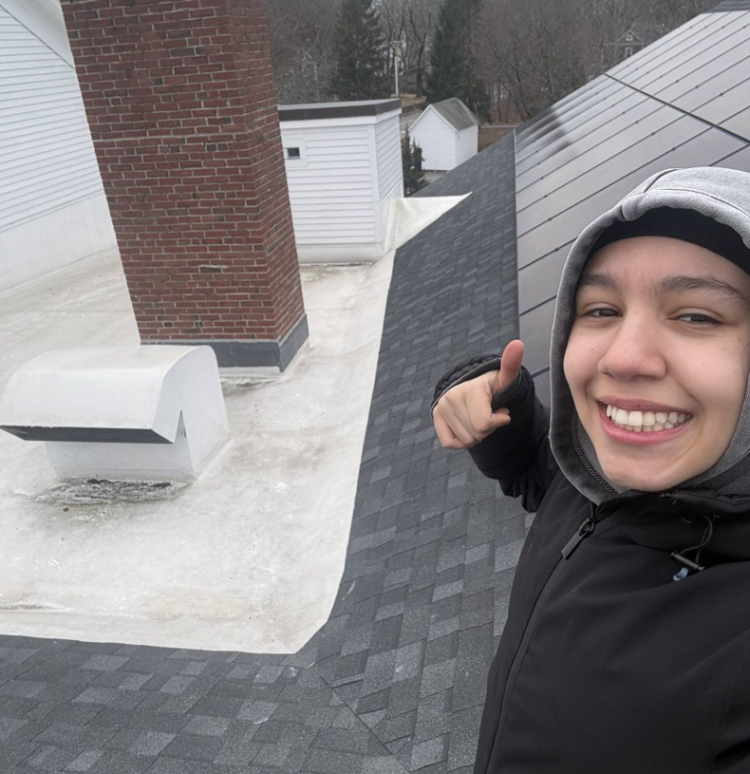
For aspiring engineers, hands-on experience can turn classroom knowledge into the practical skills needed for a clean energy career.
This past spring, 621 Energy welcomed Selma Moutaouakkil, a mechanical engineering student at Wentworth Institute of Technology, to its team. Through hands-on experience in solar modeling, design, and field troubleshooting, Selma had the opportunity to apply her technical knowledge to real-world projects while exploring where a career in clean energy could take her.
Guiding the Shift to Solar
621 Energy specializes in designing, building, financing, operating, and maintaining commercial-scale solar photovoltaic (PV) systems. From initial project development and installation to ongoing maintenance and consulting, 621 Energy manages every stage of the solar process to maximize system performance and value.
Its mission is to help businesses and nonprofits reduce energy costs, lower their carbon footprint, and make the transition to clean energy as seamless as possible. The company serves a variety of clients, including Massachusetts General Hospital, Hoosac Valley Schools, and local organizations in Melrose, Massachusetts.
For a small company like 621 Energy, interns have become an important part of the team. Through the MassCEC Clean Energy Internship Program, the company has hosted 17 interns since 2021. In spring 2026, 621 Energy was one of 100 companies participating in the program, which supported a total of 150 interns.
“Our philosophy is that the intern becomes part of the team,” said Bob Clarke, President of 621 Energy. “It’s not a survey course; we’re actually having the person do work that we’re going to use for our company.”
That approach shapes the entire internship experience. 621 Energy brings interns into active solar projects where they can take ownership of work and contribute directly. In a small team, interns are closer to the work, closer to decision-making, and more likely to interact with clients. That exposure gives them more than technical experience; it provides professional context for the entire solar development process.
The company has worked with students from schools including Wentworth Institute of Technology, University of Massachusetts Lowell, and Northeastern University. As part of their onboarding, interns complete an online basic solar course, giving them common terminology and a baseline understanding of solar technology.
From there, Clarke typically trains interns on HelioScope, a solar modeling tool the company uses in both the sales process and project planning. Interns may then move into SketchUp or CAD work with engineering staff, support specific project designs, and eventually join field work.
“It’s really through one-on-one work, which we have noticed works really well for us as a smaller company,” Clarke said.
Building Experience in the Field
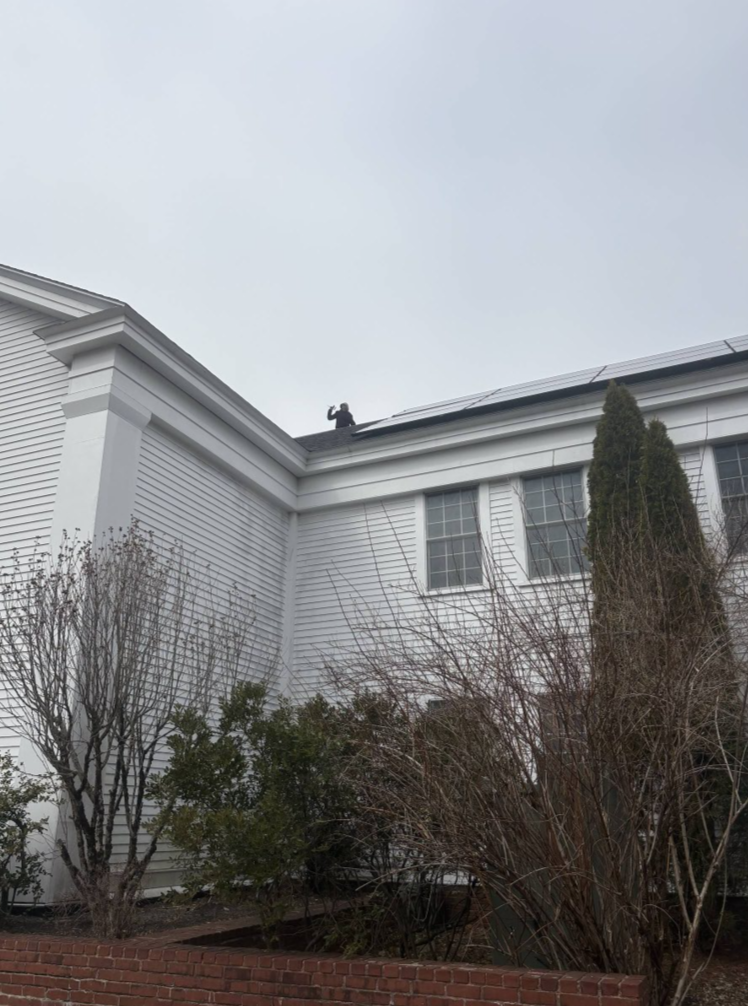
Once on board, Selma contributed to several areas of the business, including solar modeling, design support, and field troubleshooting.
Clarke said Selma became especially strong in HelioScope and made significant progress in SketchUp and design work, even though those tools can have a steep learning curve. But hands-on troubleshooting emerged as one of the clearest success stories of her internship.
During field training, Selma shadowed experienced team members, asked questions to understand how systems worked, and gradually took on more responsibility as she and her supervisors became comfortable.
On one project, the team returned to the same site multiple times to diagnose issues and work through practical fixes. What looked simple from a distance became more complex once the team arrived on site, giving Selma the opportunity to troubleshoot, adapt, and try different approaches.
“It showed Selma’s passion for field work and ability to perform in a high-stress environment,” Clarke said.
For Clarke, one of the clearest signs of Selma’s growth was trust. By the end of the internship, he felt comfortable sending her into the field for two-person service work and confident that she could contribute safely and increasingly independently.
The experience also helped Selma learn more about the kind of work she enjoys. For students entering their first technical roles, exposure to modeling, design, customer interaction, team collaboration, and hands-on troubleshooting can help reveal what direction they may want to pursue. In Selma’s case, her enthusiasm for field work became increasingly clear over the course of the internship.
Creating Value on Both Sides
For 621 Energy, internships provide additional capacity while creating opportunities to identify and develop emerging talent. Clarke said the company has hired some former interns over the years, while others have gone on to jobs or graduate school. He has also served as a reference for former interns, helping them translate their clean energy experience into the next step of their careers.
The team-based model benefits existing employees as well. Mentoring interns gives staff members an opportunity to teach, explain their work, and build their own leadership skills.
For interns like Selma, the experience offers something equally valuable: the chance to move beyond classroom learning and understand what clean energy work looks like in practice.
MassCEC’s Clean Energy Internship Program helps make those connections possible by supporting Massachusetts clean energy employers in bringing on interns and giving students and recent graduates opportunities to gain paid, hands-on experience in the industry. For a small company like 621 Energy, that support has helped make internships a consistent part of how the company grows its team while helping prepare the next generation of clean energy professionals.
Ready to gain hands-on experience or host an intern? Visit our Clean Energy Internships program page to learn how to participate.