
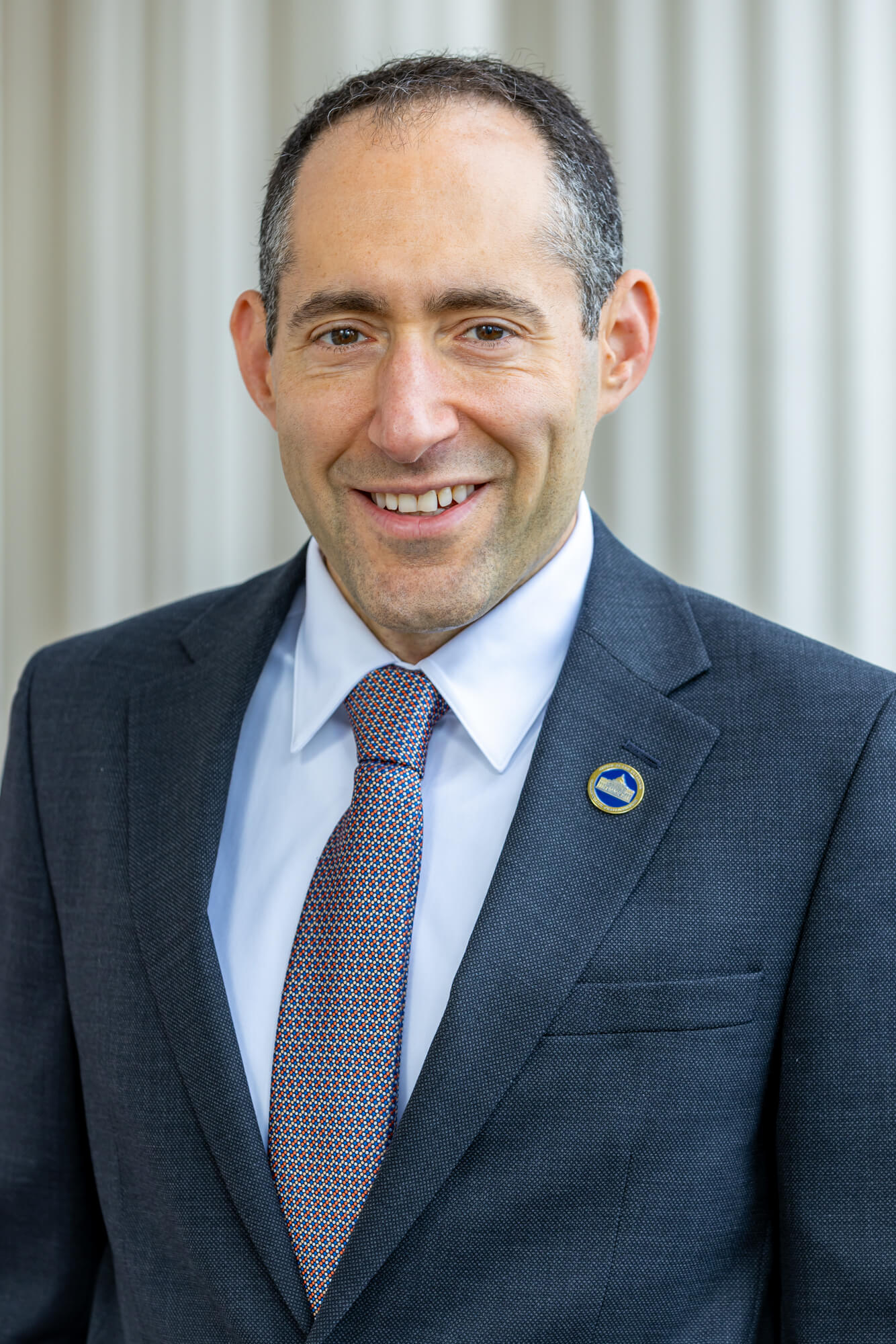
Entrepreneur, investor, and public servant brings an innovation-first mindset to the future of climatetech in Massachusetts.
For Eric Paley, joining the Mass Clean Energy Center Board of Directors wasn’t simply another appointment. It was an opportunity to help Massachusetts turn climate innovation into economic opportunity.
As Massachusetts Secretary of Economic Development, Paley oversees efforts to grow the state’s economy, strengthen its innovation ecosystem, and support businesses of every size. But long before entering public service, he spent decades building companies and helping entrepreneurs bring groundbreaking technologies to market. His experience in startups and venture investing gives him a distinctive perspective as MassCEC works to accelerate clean energy innovation across Massachusetts.
“Where the innovation economy meets climate innovation, in ways that can change our climate trajectory, that’s where I can be most helpful,” said Paley. “What fires me up the most is where small interventions can make enormous differences in scale very quickly.”
From Entrepreneur to Public Servant
Paley’s career has always centered on solving big problems through innovation.
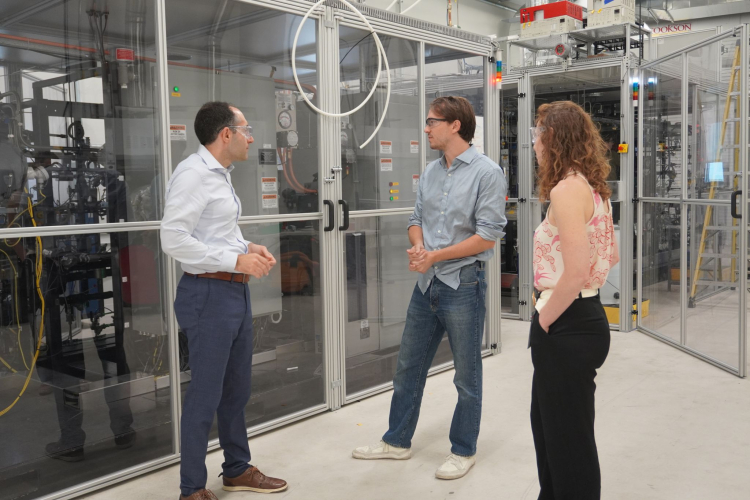
He founded two companies, including an MIT spinout that commercialized advanced imaging technology, before co-founding Founder Collective, a venture capital firm that became one of the country’s most respected seed-stage investors. Along the way, he worked alongside hundreds of entrepreneurs and invested in companies including Uber, Airtable, WHOOP, Formlabs, PillPack, and The Trade Desk.
Supporting founders gave him a front-row seat to see how new ideas become successful businesses, and how innovation can reshape entire industries.
“I’ve spent many decades being a student of markets,” he said. “There are a lot of things we can do that help create what I think of as fertile soil for economic development.”
Although entrepreneurship defined much of his career, public service was never far from his mind.
“I always thought I’d serve in some way,” Paley said. “I was a government major, I interned in Congress and then my entrepreneurial career took off, and I just, on some level, always had the desire to serve.”
When former Economic Development Secretary Yvonne Hao encouraged him to consider leading the Executive Office of Economic Development after she stepped down in 2025, his first answer was no. After thinking about it overnight, he realized the opportunity was too meaningful to pass up.
“There was no other job in government or public service that I could think of that I wanted to do more,” he said.
Today, that entrepreneurial mindset continues to shape his approach to public leadership.
Helping Massachusetts Lead in Climate Innovation
On the MassCEC Board, Paley sees an opportunity to connect the innovation economy of Massachusetts with one of humanity’s greatest challenges and opportunities: climate change and the transition to clean energy.
“I think of MassCEC as the embodiment of how we pursue our goals, both from an economic and societal view on clean energy across Massachusetts,” he said.
For Paley, commercialization is one of the organization’s greatest strengths.
Massachusetts consistently produces world-class research, breakthrough technologies, and ambitious entrepreneurs. The next challenge is helping those innovations scale into companies that strengthen our economy and improve people’s lives.
“I think we should be tripling the amount of academic research that makes its way into the commercial sector here in Massachusetts,” he said. “Clean energy and climatetech are some of the major sectors where we have a unique advantage and an opportunity to do that.”
That focus extends beyond technology itself.
Paley believes building a successful climatetech industry also means investing in people.
As climate companies grow, they’ll need engineers, technicians, manufacturers, and skilled workers across every region of the state. Workforce development, he said, will be just as important as research and investment.
“We have great talent,” he said. “But we need to keep investing in making sure people have the skill sets necessary to scale these companies.”
He also emphasizes that the benefits of clean energy shouldn’t be concentrated in a handful of innovation hubs.
“We have to think about how the economic opportunity of climate and clean energy is equally distributed and generating value across every municipality.”
Building Fertile Soil for Innovation
One phrase comes up repeatedly when Paley talks about leadership: fertile soil.
Rather than focusing on individual companies, he believes government should create the conditions where innovators can succeed.
The goal is to give entrepreneurs the support, skilled workforce and infrastructure they need to build the next generation of climate technologies here in Massachusetts.
That philosophy is reflected in the Healey-Driscoll Administration’s investments through the Mass Leads Act, which dedicated significant funding to climate innovation and positioned MassCEC to help deploy new programs supporting companies as they grow. The administration’s proposed Mass Wins Act would build on that foundation by strengthening Massachusetts’ competitiveness and supporting emerging industries that can help drive continued growth in sectors like climatetech.
Even as the current federal administration creates challenges for clean energy, Paley remains optimistic.
“The entrepreneurs that prevail—and I’d say the policymakers that prevail—are the ones who are willing to persevere through the ups and downs,” he said. “I see the opportunity as no less exciting than ever before.”
Instead of viewing changing market conditions as a setback, he sees the state positioned to lead.
Countries around the world continue searching for climate and energy solutions, and Massachusetts has many of the ingredients needed to deliver them.
“We have extraordinary research institutions, talent density, entrepreneurs, great partnerships between government, academia, and industry,” Paley said. “I think we have a policy environment, an entrepreneurial environment, a talent environment, and an academic environment that help us be a real leader.”
Growing the Next Generation of Climate Innovation
For Paley, serving on the MassCEC Board is an opportunity to help shape both the state’s climate future and its economic future.
He sees clean energy not simply as an environmental goal, but as one of Massachusetts’ greatest opportunities for innovation, job creation, and long-term competitiveness.
“I think MassCEC, at a really important juncture around climate, is incredibly well positioned to play a really big role in both our transition to clean, homegrown energy and investing in climate innovation while achieving the economic opportunities that exist in this space,” he said. “To be on the board of the organization that’s in a position to do all that—it’s very exciting to me.”
As Massachusetts continues to build a cleaner, more resilient economy, Paley hopes to help create conditions where bold ideas become real world solutions. For someone who has spent a career helping entrepreneurs transform and grow industries, it’s a natural next chapter, one focused on ensuring the state remains a global leader in climate innovation for decades to come.
Click here for more information about MassCEC’s Board of Directors.