
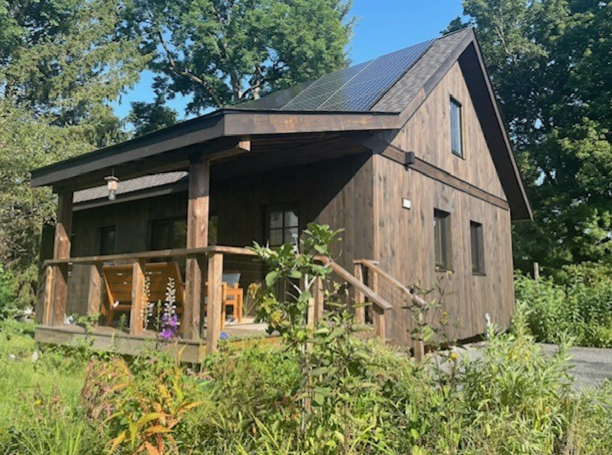
How one Pioneer Valley Homeowner Built an Energy-Efficient ADU for Long-Term Independence
Accessory Dwelling Units (ADUs) are compact homes that can increase housing availability, add gentle density, and reduce sprawl and traffic. ADU’s can serve as housing for loved ones, an accessible option to live in as you age, additional rental income, and an investment in your property. Thanks to recently updated state laws, creating extra living space with an ADU is now easier than ever.
To help make it even easier, the Massachusetts ADU Resource Center centralizes information and tools to help property owners plan and build energy-efficient ADUs. In the Pioneer Valley, residents can access free expert support through the Pioneer Valley ADU Accelerator. Energy-efficient, all-electric ADU’s are already popping up around the Pioneer Valley, providing needed housing and helping to address pressing climate issues.
Motivation: A Way to Age in Place
Lauren, a homeowner in Easthampton, recently finished construction on their all-electric ADU in June, 2026. Lauren, their partner, and their teenage son have lived in the main house on the property for almost 14 years. “Easthampton is our home!” explains Lauren. “We love the community and the location that we are in. We are fortunate to live in a very walkable area close to all that Easthampton has to offer.” The main house, where they currently live, is from the 1880’s. Lauren and their partner have gradually upgraded it over the years, including adding rooftop solar.
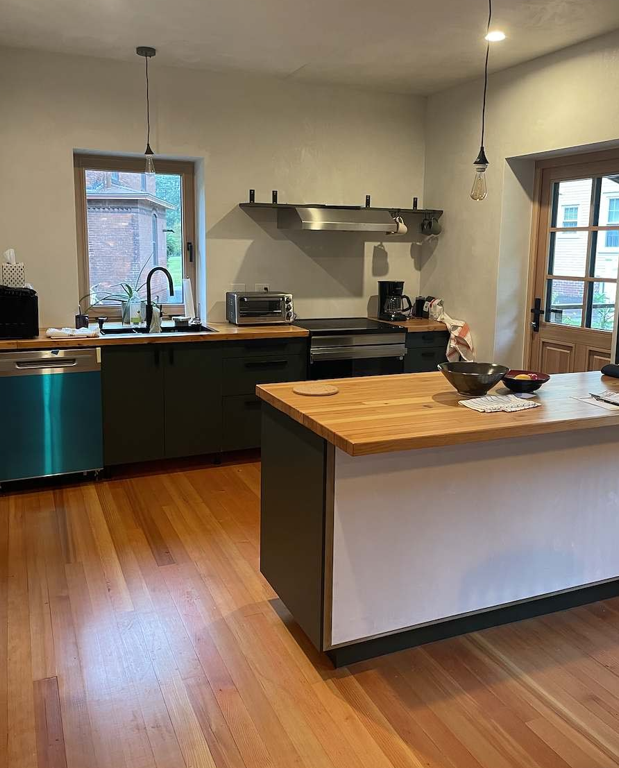
Soon their historic house will be fossil free and mostly solar powered. While they have put a lot of love into the house, they also recognize that its layout will become cumbersome if they become less mobile over time. The ADU provides another housing option for them as they age, and will allow them to remain in their beloved community well into old age. In the meantime, Lauren’s parents and in-laws can live in it during alternating parts of the year.
The 900 square foot, 1 bed, 1 bath house is accessible and easy to navigate for those with mobility issues. It was intentionally designed to fit the needs of aging parents, and eventually those of Lauren and their partner. Lauren explained that “The plan is to have the space available to my mother in winters, and my in-laws want to use the space as reverse snowbirds in the summers. Someday my partner and I would like to live here when we are ready to downsize from the main house.” Being able to house aging family members is a very common motivation for building an ADU, and Lauren’s family is no exception. The ADU provides housing security for their parents and in-laws, in case any of them need to permanently move closer for longer term support in the future.
Benefits of Modular or Panelized Construction
Lauren’s ADU is a pre-fabricated, panelized ADU, meaning that parts of their ADU were built off site at a factory, brought to their property, and then put together onsite. There are many benefits to this type of construction, compared to traditional construction where a home is built from scratch on your property:
- Pre-designed options that can result in lower design and engineering costs
- More clarity on the finished structure’s external appearance and layout
- Faster construction with less on-site disruption
- Less wasted construction material
- Fewer inspections
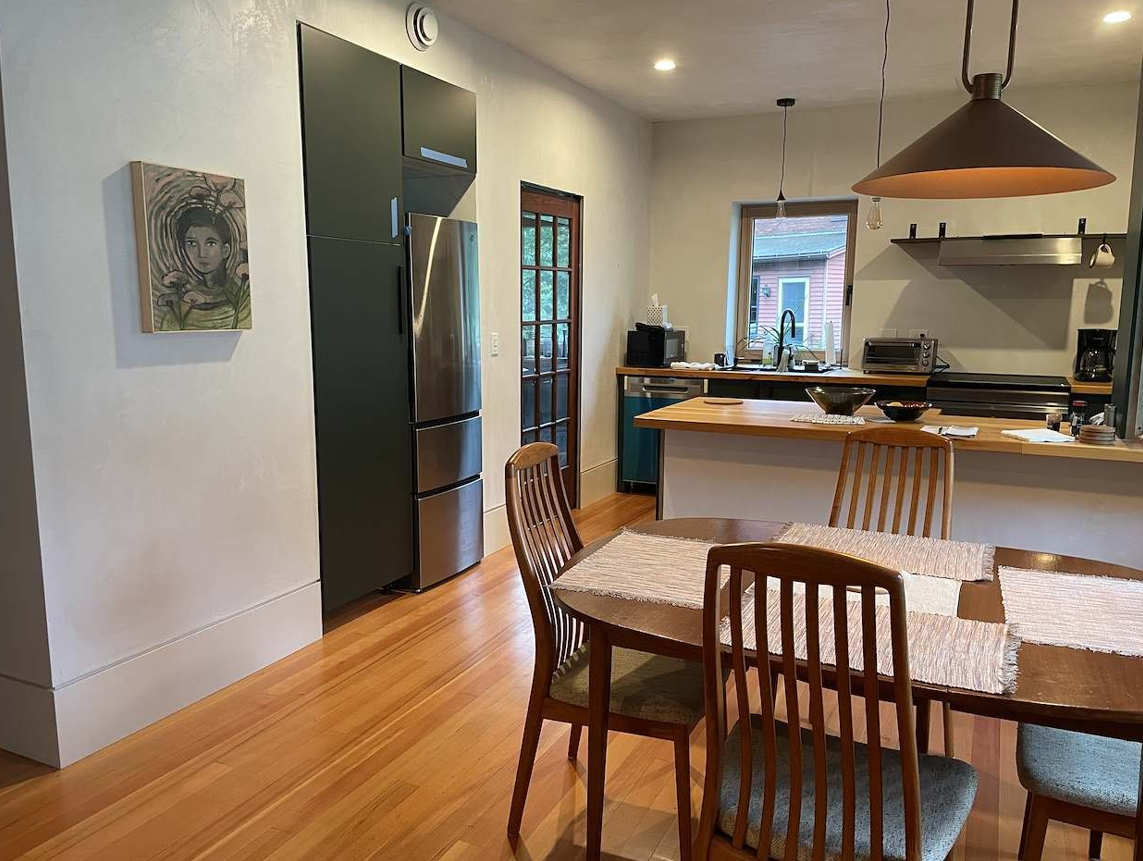
ADU’s are also an opportunity to build a “high-performing" home that prioritizes the health and comfort of the occupant. High-performing buildings use specific building techniques like airtight construction, continuous insulation, and indoor ventilation to create a space that is comfortable year-round, without the need for excessive (and expensive!) heating and cooling. Lauren notes that because their ADU was designed with health and comfort in mind, “the interior air quality is very good for people with allergies and chemical sensitivities.” Another design feature of Lauren’s ADU is that the exterior walls of the house are made from locally grown and fabricated, compressed straw panels. Compressed straw has two main benefits:
- It’s a natural building material with a lower climate impact than traditional building materials.
- It absorbs and controls sound, creating a quiet indoor environment.
Pioneer Valley residents can explore 16 panelized and modular ADU designs available through the Pioneer Valley ADU Accelerator. Each design is energy-efficient and doesn’t require costly gas line extension or oil delivery. Many designs include healthy, nature-based insulation materials, as well as accessibility features such as single-story floor plans, walk-in showers, and wide doorways.
Energy Savings
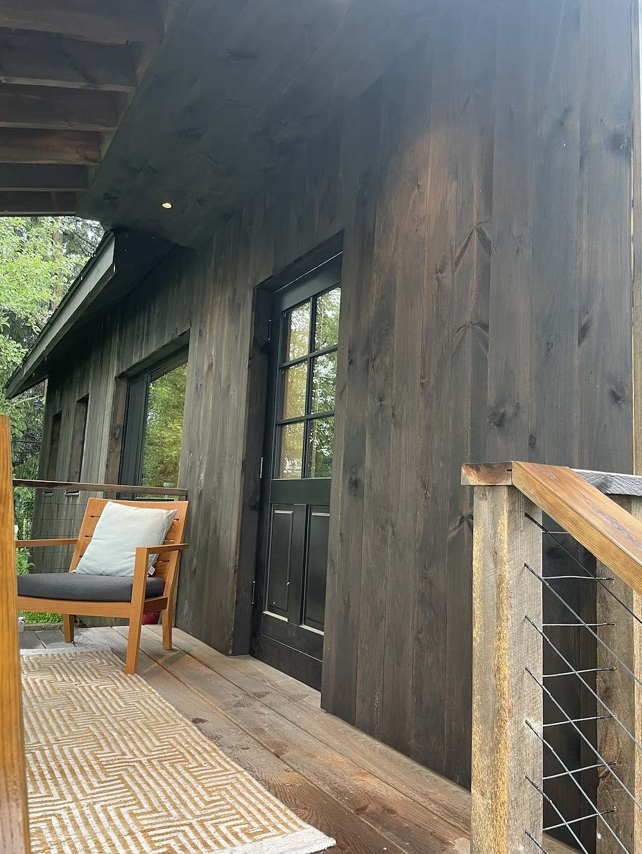
Thanks to its energy-efficient construction, Lauren’s ADU has very low energy operating costs. Lauren shared that the “annual operating energy cost for this ADU is projected to total about $1,400 annually if you rely only on electric utility service.” However, Lauren has added a rooftop solar installation to the ADU. It will produce enough energy to cover all of the ADU’s electricity needs, as well as a small portion of what the main house uses.
Lauren acknowledged that for some older adults who have already paid off their mortgages, moving into a newly constructed ADU may be a hard sell, but they add that “the potential monthly savings in utility costs is something that I think is often overlooked or not fully understood."
Financing and Mass Save Incentives
Financing an ADU requires planning ahead and assessing your own financial situation. For eligible homeowners, these state programs and incentives may be able to help finance your project:
- Mass Housing Partnership’s ADU Feasibility Study Incentive Program
- Mass Save’s all-electric new construction incentives up to $25,000.
- MassHousing’s ADU construction loan program, with loans up to $250,000
Find more budgeting and financing resources on the ADU Resource Center. Homeowners can also use the ADU Resource Center’s Financial Calculator tool as a starting point for understanding what they can afford.
Take the Next Step
Are you a homeowner in the Pioneer Valley interested in building a backyard ADU? Use the ADU Wizard tool to see if an ADU might be right for your property. Once you’re ready to take the next step, sign up for a no-cost consultation with our ADU expert, who will answer your questions and connect you with available resources.